Skip top navigation Skip to main content

Fashion Media and Marketing

Major

Request for Information
Request Info
Loading...

Ever wonder how fashion brands create campaigns that go viral, set trends, and inspire millions? Lasell's Fashion Media and Marketing program gives you the tools to navigate the ever-changing world of fashion, media, and marketing through a unique combination of fashion promotion, content creation, and digital design.

In courses delivered by faculty experts, you’ll learn how to tell stories through content development and multimedia strategies that captivate different audiences and develop an understanding of communication in the fashion industry. From brand storytelling to digital engagement, consumer behavior and market trends, you’ll cover all the essentials to stand out in a competitive field.

Program Features

  • Earn Industry certifications in digital marketing platforms like HubSpot and Google Academy through your course work to add to your resume.

  • Gain industry experience through internships at leading brands such as New Balance, Macy's, and NewStore, among many others.

  • Learn how to stay ahead of trends with courses focused on fashion tech, sustainability, and the future of digital fashion marketing in addition to access to WGSN, an industry trend forecaster.

  • Study abroad for a semester in fashion powerhouse cities like Paris, London, Milan and more. Or enroll in our Fashion in Paris course which includes two weeks of travel to Paris in June. Students also take trips to NYC to visit fashion offices and showrooms.

  • Volunteer and work in local fashion events like Boston Fashion Week.

  • Learn from faculty with industry expertise. Our faculty connect the classroom to the fashion industry through their own experiences and connections, guest speakers, and field trips. They will support and celebrate you as you take advantage of the many on and off-campus industry opportunities.

  • Complete a senior Capstone course where you will work with both peers and industry professionals to design, execute, and present a final project to executives at a company such Reebok, New Balance, Puma, Timberland or Wayfair. In your final semester, you will be part of a team of Fashion students who produce our RUNWAY fashion show, which draws over 1,200 people to campus.

What You'll Learn

From your first day, you’ll take courses in your major and advance towards graduation with a yearly plan. Not sure what classes to take? We’ll help you create the perfect plan. 

Courses and Sample 4-Year Plan

This example four-year plan is provided as a broad framework that you can follow in order to complete your degree within four years. Be sure to always consult your academic advisor before registering for classes.

In this course, students gain understanding of and confidence in strategies for effective writing by composing and reading in a variety of genres. The course emphasizes writing as a process and focuses on the rhetorical choices writers make. Students engage critically with sources by examining how genre, context, purpose, credibility, and bias work together to create meaning and impact audiences. Students who choose to take Writing I Workshop are provided with time during class to work on their writing while the instructor and a writing tutor are present to provide assistance. Students must earn a “C” or higher in order to pass this course
The First Year Seminar (FYS) is part of the Core Curriculum and a requirement for all incoming first year students and transfer students with fewer than 15 credits. The First Year Seminar is a theme-based inquiry course that engages students in a specific area of interest while providing support for a smooth transition into the Lasell University community and the Connected Learning philosophy. Through studying an academic topic, students develop and apply core intellectual skills and receive an introduction to the core knowledge perspectives. At the same time, students connect to the experiences and people that make up the Lasell University Community. Course outcomes are accomplished through engaging activities including reading, writing, class discussions, presentations, team projects, field trips, and exploration of campus resources. Civic engagement and service-learning activities are often part of this course as is participation in the Connected Learning Symposium. Through the seminar, students develop close ties with faculty and peer mentors who serve as advocates for first year students' academic success. Past course titles have included: The Immigrant Experience, Fashion & Film of the 20th Century, The Social History of Rock & Roll, Exploring Cultures & Languages, The Spark of Creativity, Women and Sports, and Latin America: Food And Traditions. This requirement may be fulfilled by taking either FYS103 or HON101 (for students enrolled in the Honors Program).
The Business of Fashion is a survey course that takes an interdisciplinary approach to the fashion business as it relates to cultural, historic, economic, and contemporary influences, giving students a basic understanding of the terms and concepts associated with the fashion and retail industries. The concepts and practices developed are applicable to the many career paths possible within the Fashion Industry. Topics include: technological applications, environmental influences on fashion, the fashion cycle, trend forecasting, fashion marketing, women's, men's, and children's apparel, supply chain management, product development, foreign and domestic market centers, and retail merchandising on multiple platforms.
This course is the foundational course for mathematical and quantitative reasoning at Lasell College. Mathematical reasoning is the critical skill that enables a student to solve real-world problems involving quantitative analysis by making use of particular mathematical skills. Through the development of their mathematical reasoning skills, students will recognize the power of mathematics in its own right as well as its relevance in the real world. Students will develop and enhance their mathematical reasoning skills through a project/application-based curriculum supported by readily available current technological tools and topics that will include, but not be limited to, the following: solving systems of equations, linear programming, statistical, and graphical data analysis.
This course surveys the theories, history, economics, audience, and regulations of the major forms of mass media, including newspapers, magazines, motion pictures, radio, television, and new electronic communication. Students develop a basic understanding of the roles of mass media and their effects on society and the individual. The course focuses on the relationship between mass media and society, so students can identify current trends that are changing the nature and function of traditional mass communication. Students examine and debate many current controversial issues concerning the mass media and their effects on our society and culture. Students discuss significant aspects of mass communication, including ethics and policy formulation that are playing key roles in the materialization of a new global communication era.
This course is an introduction to the basic principles and strategies for visual art-making and art appreciation, with an emphasis on developing an awareness and sensitivity to art as an integral part of one's life and as a way to complement one's aesthetic needs. This is a lecture course with studio art-making modules designed to complement visual material, critical essays, museum/gallery trips and impart basic skills in visual communication.
Equity & Intersectionality(KP)
This course is a continuation of Writing I and focuses on research and public writing. Theme-based courses provide students with lenses to explore issues of interest and develop their reading, research, and writing skills. Students work with a topic of their choice, broadly based on the course theme. Assignments build upon each other, lead up to a researched position paper, and culminate in a public piece. Students who choose to take Writing II Workshop are provided with time during class to work on their writing while the instructor and a writing tutor are present to provide assistance. Students must earn a grade of “C” or higher in order to pass this course. Prerequisite: WRT 101
The Fashion Consumer examines the psychological and sociological variables that shape the fashion consumer’s decision-making process. The wants and needs of consumers are explored through an understanding of attitudes, and purchase motivation. Students consider internal and external influencing factors, including the influence of social media and technology, the potential impact of government regulation, the consumer’s perception of self, and their perceived social and ethical responsibilities. The goal of building a strategy towards a satisfied and loyal customer is at the heart of the conversation.
This course is an introduction to the basic principles and strategies for visual art-making and art appreciation, with an emphasis on developing an awareness and sensitivity to art as an integral part of one's life and as a way to complement one's aesthetic needs. This is a lecture course with studio art-making modules designed to complement visual material, critical essays, museum/gallery trips and impart basic skills in visual communication.
This course provides a scientific foundation for understanding textiles through both lecture and laboratory study. Students investigate the chemical and physical properties of fibers, yarns, and fabrics, while applying methods of textile testing and identification. Topics include color science, fiber characteristics, detergency, natural and chemical dyeing, fabric construction methods, and finishing processes. Laboratory procedures emphasize inquiry-based projects, allowing students to apply chemical theory and testing techniques to evaluate textile performance, quality, and end-use suitability. In addition, students gain perspective on the global textile industry, including trade, sourcing, and production, to connect material science with the broader fashion system. By integrating textile knowledge with chemistry, the course prepares students to make informed decisions about material selection, care, and sustainability within the fashion industry.
In this project-based course, students explore a social or intellectual problem using at least two knowledge perspectives. Faculty and students follow a collaborative process of exploration, discussion, and problem solving that integrates knowledge perspectives and core intellectual skills.
Digital Tools for Fashion equips students with the technical skills and understanding of how to use a variety of software applications, an increasingly in-demand skill in all capacities of the fashion industry. The course introduces students to software used in apparel manufacturing, retail, and media. With a focus on methods of visual communication, projects include technical drawing, colorization, editing, integration and manipulation of photographic images, and video editing basics.
Fashion Industry Professional Development is designed to prepare students for entering and building careers in the professional work environment. Students reflect and analyze both themselves and the industry to identify and develop a comprehensive plan for pursuing professional objectives. Students’ professional strategies yield specific, actionable plans and a suite of materials to prepare them for entering the job market. The final outcome is a personal branding suite, including traditional job application materials as well as a digital brand presence and portfolio of industry-relevant course outcomes. Professional communication skills are developed, including networking, job searching, and interviewing. Upon completion of the course, students demonstrate a preparedness for a required internship experience. Prerequisite: FASH102
This course introduces students to the field of advertising, including the role of promotional elements (advertising, direct mail, promotion, etc.) found in an advertising agency or in the communication program of an organization. In this course, students learn that advertising is more than just ads on television, on a web page or in print. Advertising is a process that starts with research and moves through analysis, planning, action, and evaluation. The development of an effective advertising strategy requires an understanding of overall communication processes and theoretical principles, how organizations organize and brand themselves for advertising and other promotional functions, consumer behavior, and how to set goals and objectives. A cooperative learning project requires students to engage in the kind of strategic thinking, planning and execution that is done by advertisers, researchers, media planners, and copywriters. The course also addresses how the advertising industry is regulated and how key social issues and various consumer constituencies can present problems for advertising professionals. Prerequisite: COM 101.
Communication professionals must to be able to utilize different social media platforms to both engage audiences and increase brand impact and influence. This course is designed to introduce students to the key concepts and practices of managing social media channels. Through case studies, interactive assignments, and a social media project, students will learn necessary skills to managing a social media platform, including conducting a social media audit, developing a strategic social media plan, building an editorial calendar, identifying key metrics and using data analytics to assess and report the impact of social media posts and campaigns. Students will also earn Hubspot Certification in Social Media during the course. Prerequisite: Sophomore status.
In this course, the fundamentals of marketing are explored for practical application in today's business environment. The process of creating value for customers by utilizing the tools of marketing -- market segmentation, targeting and positioning, marketing research and communications, product development, channels of distribution, and pricing -- are explored with a project-based, interactive approach. Additionally, there is a service learning component included in this course that enables students to further apply the course concepts while working to advance a participating non-profit organization. Prerequisites: BUSS101, COM101, HEM101, HEM102, FASH101, or SMGT102 AND ENG102 or WRT102.
In this course, students explore the evolution, theoretical basis for, and practice of professional Public Relations. Students review the history and current practices of Public Relations and examine the differences between PR and advertising; press relations and public affairs; promotions and news events; marketing and media placements. Students gain insights into the Public Relations function for corporations, high tech companies, government agencies, politics, education, the entertainment industry, sports, and non-profit institutions. Lectures, case studies, readings, group work, guest speakers, and class discussions focus on techniques useful in such areas as local and national publicity, special events, and community and government relations for organizations. Prerequisite: COM101
This Knowledge Perspective course will provide students with the opportunity to interpret and analyze the complex interrelationships and inequities in human societies in a global historical context. Emphasizing the interrelatedness and mutuality of influence between East and West, we examine questions of exclusiveness, intolerance, and cooperation. Prerequisite: ENG101 with a C or better
This course provides students with a basic introduction to and overview of communication writing that focuses on channels of communication (clients, audiences, formats); creating writing samples; conducting writing exercises; developing strategies for soliciting feedback; and engaging in peer editing exercises. Students learn about various media writing formats, such as news releases, features, profiles, columns, editorials, reviews, speeches, public service announcements, backgrounders, etc. This is a writing intensive course. Prerequisite: COM 101.
This is an introduction to the theoretical and practical aspects of graphic design, with an emphasis on developing a working literal and visual vocabulary. Students are challenged with conceptual design exercises that promote the essential values of good research, process, and presentation practices. Prerequisite: GRAP201 Imaging for Graphic Design.
Digital Marketing is a comprehensive course that concentrates on marketing within the virtual world. With a strong focus on the operational and functional aspects of this dynamic subject, the course will review tactical advice and real life examples. The course will cover key topics such as search engine optimization and marketing, retargeting, social media marketing, email marketing, lead generation and calls to action, online experiential marketing and consumer behavior in the virtual world. Students will also be introduced to the history of the internet and fundamentals of an effective digital presence. Students will discuss digital business models and learn the basics of app and website functionality and cross channel promotions. Developing strategies to create apps, websites, and virtual or augmented reality customer experiences will offer a contemporary and visionary opportunity. Integrating skills obtained in FASH207- Digital Tools, students will be fully immersed in the creation of their own fashion digital shopping channels. Prerequisite:FASH105,FASH207 & FASH211 or FASH218
Fashion Industry Internship Seminar is four-credits and includes a field placement and course. Fashion industry exposure and real-world experience is paramount to the fashion student. Supported with resources, students explore the job market to identify challenging, value-adding internship positions during which they gain practical, hands-on industry experience. On-the-job industry exposure is an opportunity to synthesize and apply concepts, theories, and techniques previously learned, both leveraging and adding to industry skill sets and knowledge. Internship experience and seminar learning outcomes include: (1) exposure to and strengthened command of industry dynamics and fashion business operations, (2) first-hand experience in the professional working environment, (3) acquisition of professional skills required for industry and career readiness, and (4) resume and professional network growth. Students complete self-reflection and critical analysis of the internship organization and experience, as well as receive feedback and evaluation from the internship site supervisor. A minimum of 150 hours of supervised onsite work is required and should be in an area of the industry aligned with students’ career objectives. Internship field placement is subject to the approval of the Internship Coordinator and the Lasell University application process and requirements outlined therein. Prerequisites: FASH219 & FASH207 or FASD220
This illustration course is designed to develop students' compositional and image development skills for the field of Graphic Design. Using a combination of traditional and digital methods of imaging, students expand their visual vocabulary for successful graphic communications. Prerequisite: GRAP105 Digital Design Essentials or equivalent (such as FASD205 Digital Design for Apparel or FASH207 Digital Tools for Fashion).
Fashion Brand Management introduces students to the myriad of concepts associated with fashion branding and an analysis of brand management theory. Methods for building brand identity, awareness, recognition, loyalty, extensions, and equity are explored, including an examination of the impact of advertising, marketing, thematic control and integrated marketing communications on the perceived value of fashion brands. The course considers influences such as social media, iconic brand ambassadors, cultural branding, and omnichannel communications. Tactics and techniques for influencing brand perception and associations as well as developing a brand ethos and strategy are also covered. External environmental factors that influence brand and the branding process are studied. The brand management process is discussed from inception to consumption and analyzed through contemporary case studies. This course is writing-intensive. Prerequisite: FASH102
Choose an Elective or Minor course
This course will address the interaction between the lives we lead and the application of traditional (and some nontraditional) ethical theories and principles to important decision points in our lives. Students will take on real-life ethical problems and dilemmas for each class; each student will be responsible for presenting a number of issues, as well as for guiding the discussion of those issues in class. The problems we address will largely span a lifetime of experiences and concerns. Students will also write several papers that evaluate formal arguments, using standard tools of critical thinking and philosophy. The course is discussion based, so a willingness to read carefully, to think critically, and to engage in classroom presentations and discussions is essential. Prerequisite: Junior standing, MDSC203 & ENG102.
Fashion Photo Styling is designed to provide fashion designers, stylists, and merchandisers with an understanding of the conventions and visual traditions of fashion photography. The principles of lighting are discussed particularly as it relates to the creation of mood and image. An exploration of the history of fashion photography familiarizes students with its various visual traditions and styles. The relationship between marketing principles and the determination of style in the context of image usage are explored. Regular photo shoots provide students with hands-on experience of image creation. Prerequisite: FASH207 or FASD205
Fashion photographyss purpose is to reflect a design aesthetic incorporating brand direction and its visual narrative. The course focuses on the presentation of fashion in a creative way which is portrayed through the lens of the photographer and is most commonly used in advertising, social media, editorial, events, and fashion media. The photographic backdrop will also be explored as today?s media is fluid and often captured by user-generated content. The course will also highlight the greats in fashion photography, their stylistic approaches, and how the medium has evolved over time. Prerequisite: open to all students in the SoF, and SoCA and Junior standing
Journalism is a fast changing industry and this course prepares students for the change. Students learn to report and produce a variety of news and feature pieces, for print and multi-media platforms, including Q and A interviews, news and feature stories, opinion pieces, reviews, photo galleries, social media campaigns and more. Assignments can be produced on sports, fashion, entertainment, arts and culture, business, politics and more. Students have the opportunity to publish their work in The 1851 Chronicle newspaper and website. Prerequisite: WRT102
Fashion History I: Imperial Societies to Industrial Revolution surveys the history of prevailing dress and material culture from Ancient Egypt into the nineteenth century, expanding upon a general understanding of shifting modes to examine the symbolism of fashion from extensive perspectives. Students develop a context for fashion and its relation to aesthetic expression and function within various societies over time. Using an interdisciplinary approach, students examine a range of scholarly resources that pertain to the field, including The Lasell Fashion Collection. This is a writing intensive course. Prerequisite: WRT102 or Permission of Instructor
This course examines common communication strategies used in the fashion industry. Students analyze the different channels of holistic and brand-centered communication. This includes maintaining consistency through various marketing venues, messaging through traditional and new media channels such as social media. Students will develop creative plans in all areas of content including a basic understanding of video use. Guest speakers, connected learning projects, and field trips facilitate the transfer of theory into practice, providing the student with a platform for developing a viable body of work related to fashion communication. Students will also leave the course with industry certification from HubSpot Academy. Prerequisite: Fash207, Fasm310
Digital Commerce and Analytics explores the dynamics of the fast growing digital space in the retail industry. The course prepares students to understand the underpinnings of both the front and back end of ecommerce website and app development, the digital consumer and their behaviors, UX design (user experience) and the end-to-end consumer journey. Students apply critical thinking skills to assess web and app functionality, ease of navigation, and ways to engage the consumer in the virtual world. Students analyze the impact of ecommerce on business models and strategy, as well as the infrastructure of these operations. The course includes retail analytics with an emphasis on both qualitative and quantitative analysis used to track behavior and conversion. Prerequisites: BUSS 105, MATH 209, & FASH 211
Fashion Industry Capstone is the culmination of the Fashion Merchandising and Management and Fashion Media and Marketing programs. The course synthesizes previous academic, professional, and relevant co-curricular experiences, leveraging knowledge and skills from prior courses, specializations and minors, internship experiences, industry engagement and employment, etc. The course partners with a real company for the duration of the semester and students act as a consulting agency for the firm. Following initial meetings with the company and from analysis and diagnostic assessment of the organization’s position, a comprehensive strategic plan is developed and ultimately presented to senior executive management members within the company. The project involves a company analysis, a review of the competitive landscape, a study of market conditions and trend analysis, and development of a promotional strategy, product mix planning, the proposal of options for new strategic initiatives and an outline of benchmarks to measure feasibility, success, and outcomes. Prerequisite: FASH415, May Take concurrently
Choose an Elective, 5th year, or Minor course
The magazine industry is evolving from print only to multi-media and digital. The skills needed to produce this type of content are also changing. This course focuses on producing feature and entertainment-oriented content across platforms, including print, video, digital and social media. Students engage in connected learning projects and produce photo galleries and videos, blogs and podcasts, as well as the creation of an original magazine and a social media campaign to build its brand. Writing is emphasized as students improve their skills across platforms, learn to target audiences, and curate content. Students will write profiles, reviews, and 1st person columns, among other projects. Students will also be encouraged to submit feature work to The 1851 Chronicle website as well as Polished and Tarnished Magazines. Prerequisite: COM209.
Trend Forecasting and Analytics introduces students to theories, frameworks, and methodologies used to analyze and forecast fashion trends and change. Major macro themes that impact trends are explored, including cultural and societal issues and all elements of zeitgeist. The ability to recognize emerging trends and anticipate aesthetic preferences coupled with the aptitude to ground style intel in concrete numbers and analysis via sales and inventory level forecasts, market data, predictive analytics, and other tools prepares students for both the art and science of formulating a sound fashion forecast. Students also explore the applications, function, and purpose of forecasts within the fashion company. Prerequisite: FASH200, May Take Concurrently
Fashion Event Production explores the dynamic components of fashion events. Students develop a working knowledge of event planning and management. A major outcome of the course is a professional large-scale event that is planned, coordinated, managed, and produced by students in the course. Students are responsible for all elements of event preparation, promotion, and all logistics of event execution. Students think strategically about events, from concept to structure to audience experience, and more. The course emphasizes hands-on learning experiences, teamwork, communication, and collaboration as essential elements of successful event production. Prerequisite: FASH211 or FASM218
Choose an Elective, 5th year, or Minor course

This example four-year plan is provided as a broad framework that you can follow in order to complete your degree within four years. Be sure to always consult your academic advisor before registering for classes.

Learning Outcomes

  • Develop an awareness of aesthetics and style, yielding a trained ‘eye’ for the fashion industry. 
  • Demonstrate fashion forecasting and analysis ability.  
  • Apply marketing principles, research, theory, and practice within the fashion industry. 
  • Develop brand strategies across various communication channels for products and services. 
  • Design, coordinate, implement, and manage promotional plans.   
  • Work collaboratively with both peers and industry professionals as demonstrated in a Capstone project. 

For a complete list of courses and learning outcomes, view the Academic Catalog

Career Outlook

Our students have interned with:

  • Karhu 
  • NewStore  
  • TESstylist  
  • New Balance 
  • KB Fashion Productions
  • Wayfair
  • Marc Jacobs

Our alumni work for companies such as:

  • Women's Wear Daily 
  • Bride's Magazine
  • WGSN
  • Matter Communications
  • TESStyling
  • Primark
  • Rue Gilt Groupe
  • Wayfair
  • Puma
  • Reebok
  • Crocs
  • Kendra Smith
  • Berkshire Hathaway
  • Lucky Strike Entertainment
Beyond the Classroom

Lasell's membership in the National Retail Federation's Student Association (NRF) offers industry news, networking, and  attendance at NRF's annual Big Show.

The Fashion in Paris course brings together designers, communications, and merchandising students for hands-on exposure to the global fashion industry.

Gain practical experience as a writer, editor, photographer, stylist, producer, and designer with our award-winning, student-run fashion magazine.

Apply the decision-making, leadership, accounting, visual, merchandising, and marketing skills you learn in the classroom to Lasell's Retail Innovation Lab on campus, studio1851. 

The Lasell Fashion Collection contains over 3,000 objects and spans 200 years of fashion history and you can access many pieces through our online catalog.


Showcase your merchandising, management, media, and marketing talents in RUNWAY, Lasell's student-run annual fashion show.

Immerse yourself in a fashion center like Florence, Italy. Read about Lasell Fashion majors who have spent a semester living and learning abroad.

DECA prepares emerging leaders for successful careers in industries including fashion, business, hospitality, and communications. Create programs and participate in regional and national DECA collegiate events and competitions.

Frequently Asked Questions

A degree in Fashion Media and Marketing teaches you how to combine creativity and strategy to build powerful brand identities - telling the stories behind the brands. You’ll explore topics like digital marketing, trend analysis, and communication to prepare for fast-moving roles in the fashion industry.

You'll study all aspects of creative communications such as:

  • Public Relations and Advertising

  • Creative Imaging in Digital Design

  • Fashion Branding and Promotions

  • Fashion Styling and Photography

  • Copywriting and Editorial Production

  • Fashion Event Production

  • Social Media Management

Lasell's program blends creative storytelling, digital marketing, and fashion industry insight with hands-on learning through unique opportunities like Studio1851, Lasell's student-run retail store, and Lasell Thrift, Lasell's on-campus thrift store, where you can gain real retail and marketing experience.

With small class sizes, you can build close relationships with professors.

100% of Lasell student complete internships. With a campus close to Boston, a fashion and media hub, you can easily access internships, network opportunities, and events that deepen your learning beyond the classroom.

    A Fashion Media and Marketing degree opens doors to creative and strategic roles across the fashion industry, from branding to content creation.

    Career paths include:

    • Fashion Marketing Specialist
    • Brand Manager
    • Social Media Coordinator
    • Visual Merchandiser
    • Retail Buyer
    • Fashion PR & Communications
    • Content Creator
    • Fashion Journalist


    • RUNWAY Fashion Show - Our annual student-produced fashion show where students are responsible for everything from designing collections to managing production, marketing, and event coordination.

    • DECA Chapter – A nationally recognized student organization that focuses on developing leadership skills and gaining experience in fashion marketing, entrepreneurship, merchandising, and business strategy through competitive events and conferences.

    • NRF (National Retail Federation) Student Association -  provides access to retail industry events, networking and career resources.

    • Lasell Thrift - a sustainable, student managed thrift store located on-campus.

    • Studio1851 - Lasell’s student-run fashion boutique where run social media, customer service, and inventory management.


    Lasell's program keeps pace with the evolving fashion industry by focusing on emerging areas like digital fashion, AI-driven marketing, and sustainable branding. Through courses in digital tools, e-commerce, trend forecasting, and data analytics, you’ll gain hands-on experience with the technology and strategies shaping the future.

     

    Student and Alumni Perspective
    Ella Rivera

    "The Lasell community is very welcoming and friendly. I knew I'd be able to get involved on campus right away."

    Ella Rivera '26

    Fashion Media and Marketing

    Read More about Ella
    Ella Rivera
    Jasmine Somaya

    "I've really been able to gain that hands-on experience that I did not have at my previous school. I’ve been a part of DECA and of Studio 1851, Lasell’s student-run fashion retail store, and I helped start Lasell’s thrift store."

    Jasmine Somaya '25

    Fashion Media and Marketing

    Read More about Jasmine
    Jasmine Somaya
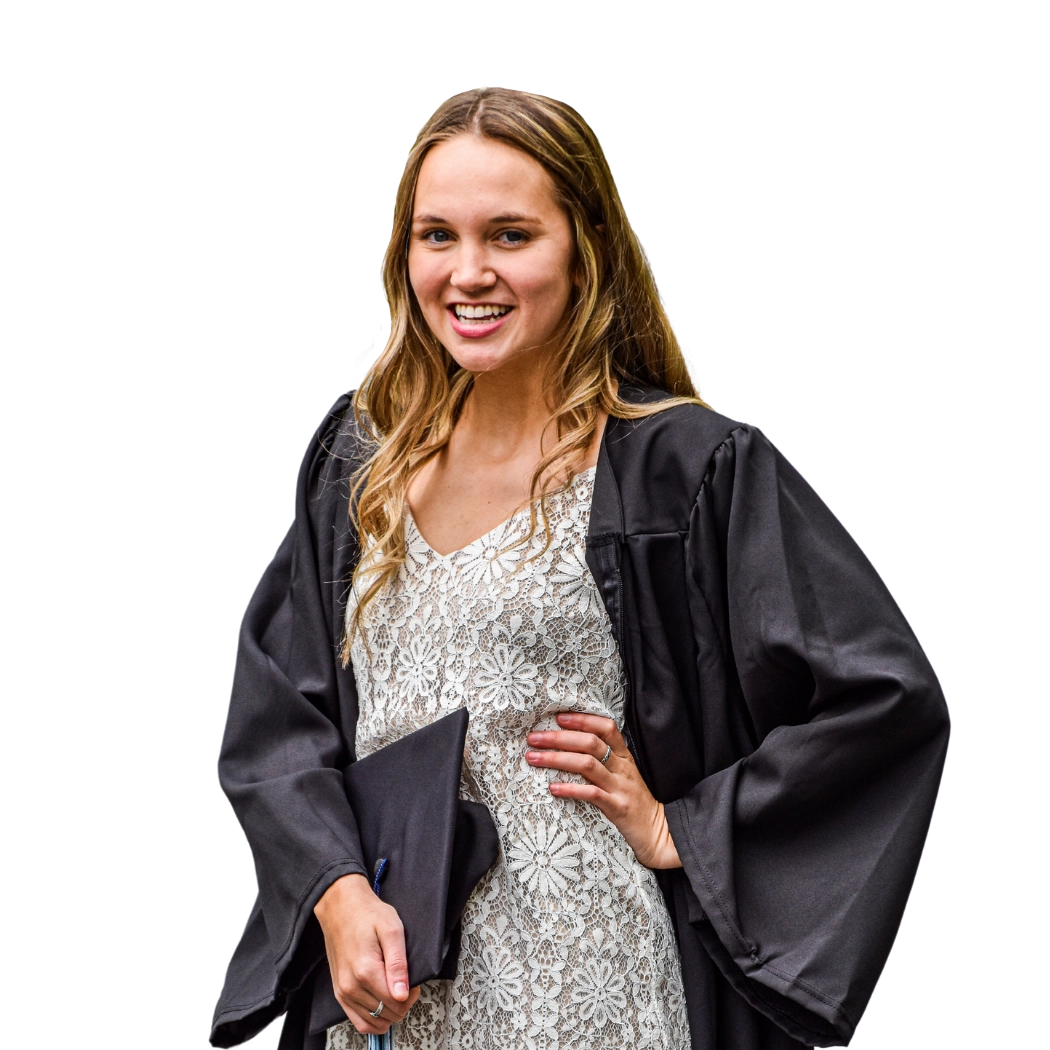
    Caroline headshot

    "I was able to get two degrees within 5 years and saved a significant amount of money."

    Caroline St. Croix '23 G'24

    Fashion Media and Marketing

    Read More About Caroline
    Caroline headshot
    Morgan headshot

    "I continue to learn just how expansive the fashion industry is."

    Morgan Trumbull '21

    Kleinfeld Bridal, "Say Yes to the Dress"

    Watch Morgan's Video
    Morgan headshot