What Simulation Labs and Hands-On Learning Look Like in a MSAT Program
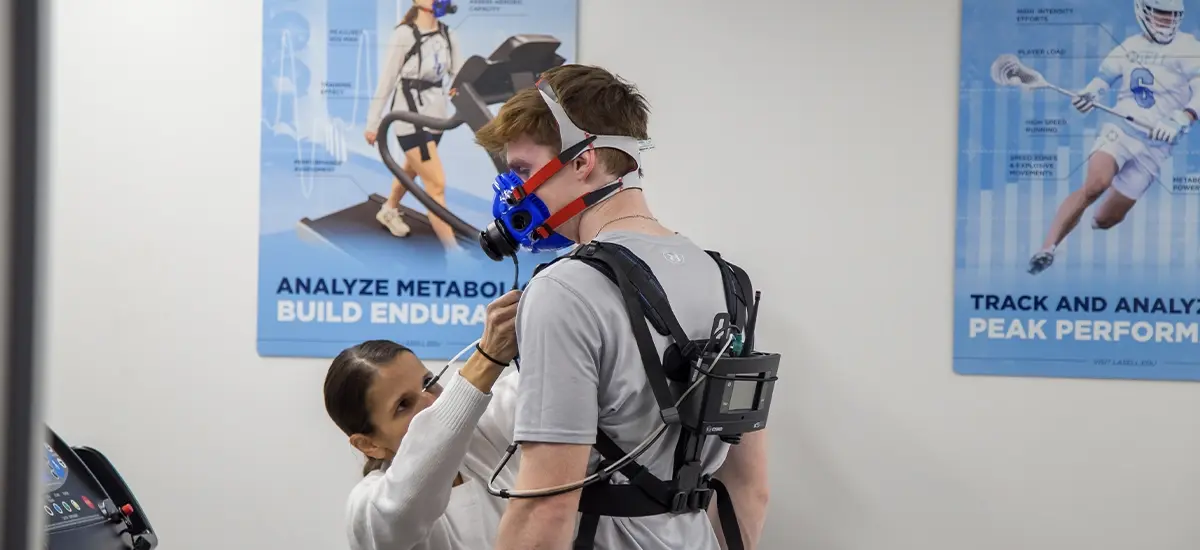
Most CAATE-accredited Master’s in Athletic Training (MSAT) programs integrate simulation labs, clinical skills practice, and real-world hands-on experiences to prepare students for clinical rotations and the Board of Certification (BOC) exam. Students develop essential competencies including taping, evaluation, emergency care, and therapeutic interventions through structured, feedback-driven learning designed to build confidence and clinical decision-making skills.
What Are Simulation Labs in Athletic Training?
Simulation labs are structured learning environments where MSAT students practice essential athletic training skills before working directly with athletes and patients. These scenarios replicate real clinical situations such as acute injuries, emergency response, and therapeutic interventions allowing students to build competency in a safe, supportive setting.
Simulation labs help students strengthen:
- Clinical decision-making
- Patient-centered care
- Emergency action plan execution
- Injury evaluation accuracy
- Interprofessional communication
What Hands-On Learning Do MSAT Students Get?
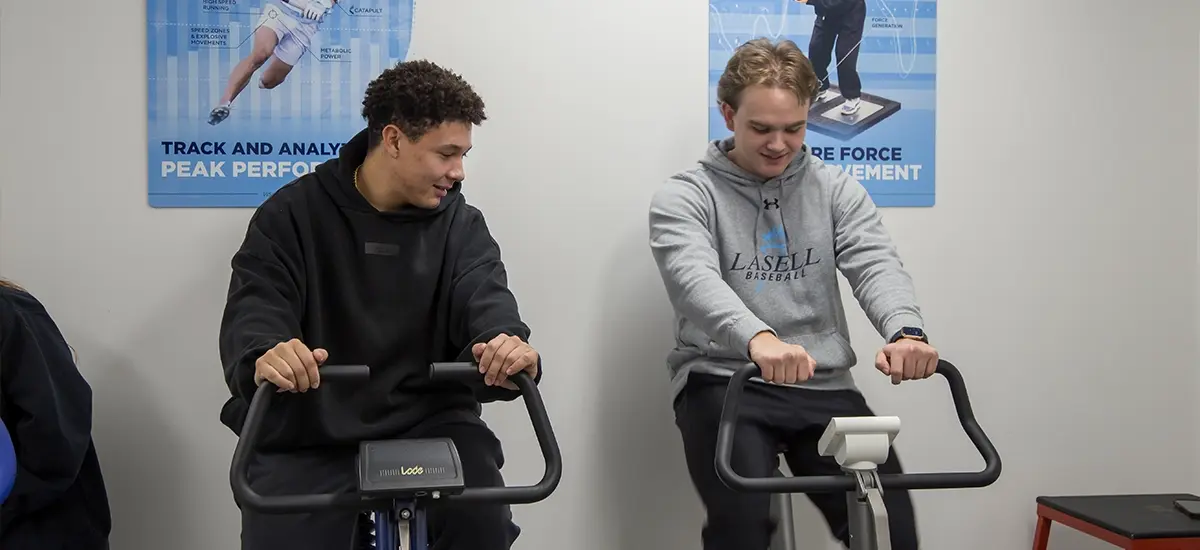
MSAT curriculum typically integrates simulation-based practice, skills labs, and applied learning throughout a 21-month program. Students learn under the guidance of licensed athletic trainers and experienced clinical educators, ensuring that each skill is performed accurately and confidently before entering supervised clinical rotations.
Hands-on learning begins early in the program, giving students repeated opportunities to develop technical and clinical reasoning skills aligned with BOC exam expectations.
What Types of Skills Do Students Practice in Simulation Labs?
Lasell's MS in Athletic Training students participate in structured sessions where they practice:
- Musculoskeletal injury evaluation
- Taping, wrapping, bracing, and splinting
- Emergency and on-field care
- Wound care and acute injury management
- Therapeutic exercise techniques
- Functional return-to-play assessments
- Patient communication and clinical documentation
These activities reinforce core athletic training competencies and help students apply evidence-based practice principles to real-world scenarios.
How Is Hands-On and Skills-Based Learning Structured?
Laboratory and simulation experiences are intentionally scaffolded so students progress from foundational skills to advanced clinical integration.
Key components include:
- Faculty-supervised skills labs - Regular opportunities to practice essential athletic training techniques.
- Scenario-based simulations - Controlled environments that mimic realistic injury management situations.
- Progressive coursework - Each semester builds on prior skills, supporting consistent development.
- Immediate formative feedback - Students receive direct guidance to refine technique and improve clinical reasoning.
These experiences prepare students for both clinical rotations and autonomous decision-making as future athletic trainers.
How Do Hands-On Labs Prepare Students for Clinical Rotations?
Simulation-based practice ensures that students enter their clinical placements with a strong foundation in both technical skills and professional behaviors. Before working with NCAA athletes and other clinical partners, students demonstrate readiness through:
- Repeated skill rehearsal
- Exposure to injury scenarios they will encounter in the field
- Emergency response simulations
- Reinforcement of therapeutic intervention planning
- Familiarity with clinical workflows and documentation
This progression helps students feel confident and competent as they begin accumulating supervised clinical hours.
Why Simulation and Hands-On Experience Matter in Athletic Training
Simulation learning is essential in athletic training education because it:
- Builds competence before engaging with patients
- Increases student confidence and clinical readiness
- Supports standardized skill proficiency
- Aligns with CAATE standards and BOC exam domains
- Reinforces evidence-based assessment and therapeutic decision-making
These experiences allow MSAT students to transition effectively from classroom knowledge to real-world practice.
How This Supports BOC Exam Preparation
The Board of Certification (BOC) exam evaluates a student’s ability to apply knowledge, manage emergencies, perform evaluations, and deliver patient-centered care.
The hands-on and simulation-based approach strengthens each of the exam’s major domains by ensuring students:
- Practice clinically accurate evaluation techniques
- Demonstrate sound decision-making under pressure
- Apply therapeutic interventions appropriately
- Communicate effectively with patients and healthcare teams
Simulation directly supports the competencies assessed on the BOC exam, increasing students’ confidence and readiness.
What Is Unique About Hands-On Learning?
Most programs offer several differentiators that enhance student learning and elevate the MSAT experience:
- Early and consistent skills practice built into the curriculum
- Integration with NCAA athletics for real-world application
- Emphasis on evidence-based assessment and therapeutic planning
- A cohesive curriculum that blends classroom learning with applied practice
These elements position students to learn in a practice-centered, student-focused MSAT environment.
Student Learning Outcomes
Graduates of most MSAT programs are prepared to:
- Perform accurate injury evaluations
- Implement emergency action plans
- Deliver patient-centered therapeutic interventions
- Communicate effectively within interprofessional teams
- Transition confidently into supervised practice and professional athletic training roles
>Learn about Lasell's Masters in Athletic Training Program (MSAT)

Reviewed by Keith Belmore, DAT, LAT, ATC
Dr. Keith Belmore is an Associate Professor of Athletic Training and Graduate Chair at Lasell University, bringing more than 15 years of experience working across collegiate athletics, professional sports, and secondary school settings. As program director, he focuses on preparing students through hands-on, real-world application, emphasizing critical thinking and problem-solving skills essential to athletic training.
See other MSAT blogs