What Can You Do With a Bachelor's Degree In Forensic Science?
What Can You Do with a Bachelor's Degree in Forensic Science?
When people hear “forensic science,” they usually think of crime scene investigations or TV shows where every mystery gets solved in an hour.
In reality, the field is much broader than that.
A bachelor's degree in forensic science can prepare you for careers in laboratories, law enforcement, research, healthcare, and other science-based fields. It also provides a strong foundation if you decide to continue on to graduate school later.
What Careers Can You Pursue with a Forensic Science Degree?
One of the biggest advantages of a forensic science degree is the variety of career paths it can lead to.
Depending on your interests, you could pursue opportunities in areas like:
- Crime laboratories
- Crime scene investigation
- DNA analysis
- Forensic chemistry
- Toxicology
- Medical examiner or coroner's offices
- Law enforcement agencies
- Government laboratories
- Research
Some graduates also apply their scientific background to related fields such as biotechnology, public health, healthcare laboratories, or environmental science.
The path you choose will depend on your interests, but it's helpful to know that a forensic science degree can open more doors than many students expect.
Do You Need Graduate School?
Not necessarily.
Many graduates begin their careers after earning a bachelor's degree and find opportunities in laboratories, government agencies, or other science-related organizations.
Graduate school can be a great next step for students who want to specialize in a particular area, conduct research, or pursue advanced roles. Others choose to gain work experience first before deciding whether to continue their education.
There isn't one "right" path. The best choice depends on your interests and long-term career goals.
What Other Careers Can a Forensic Science Degree Lead To?
One thing many students don't realize is how transferable a forensic science degree can be.
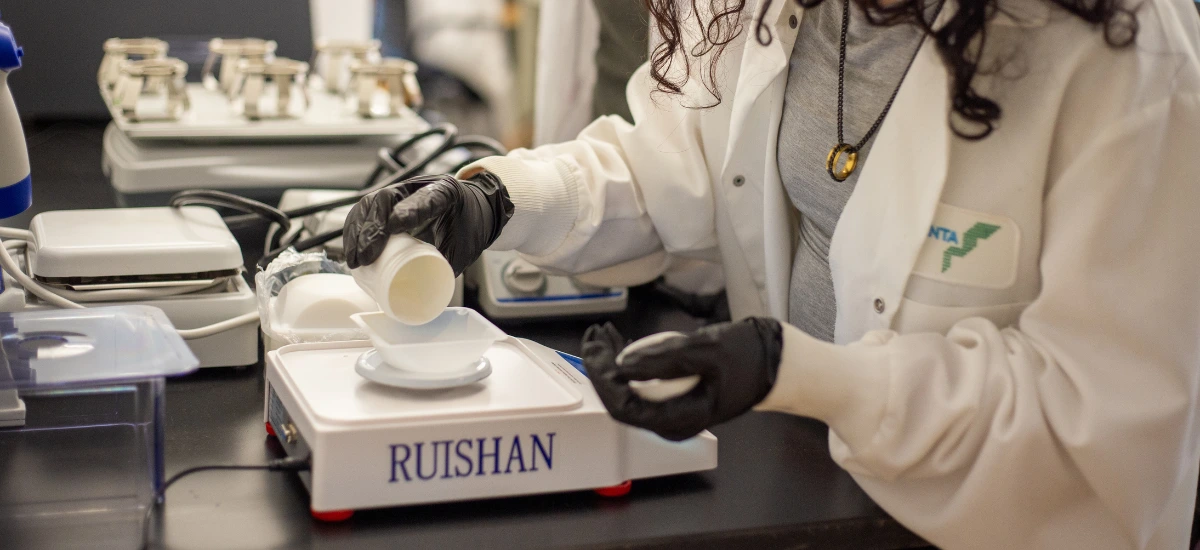
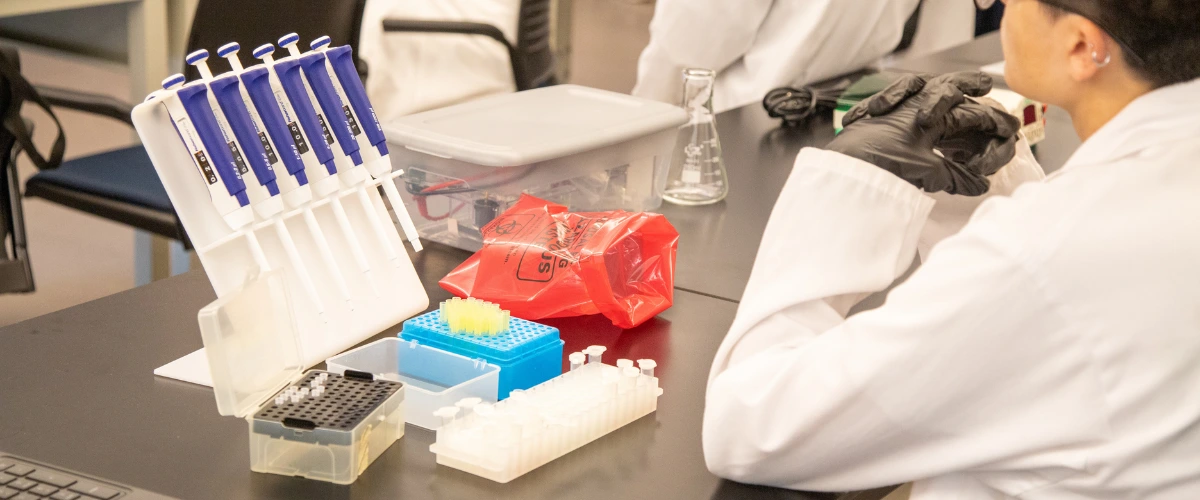
Throughout college, you'll develop skills in biology, chemistry, laboratory techniques, data analysis, problem-solving, and critical thinking. Those skills are valuable in many industries, not just forensic laboratories.
That's why graduates also pursue careers in fields such as:
- Biotechnology
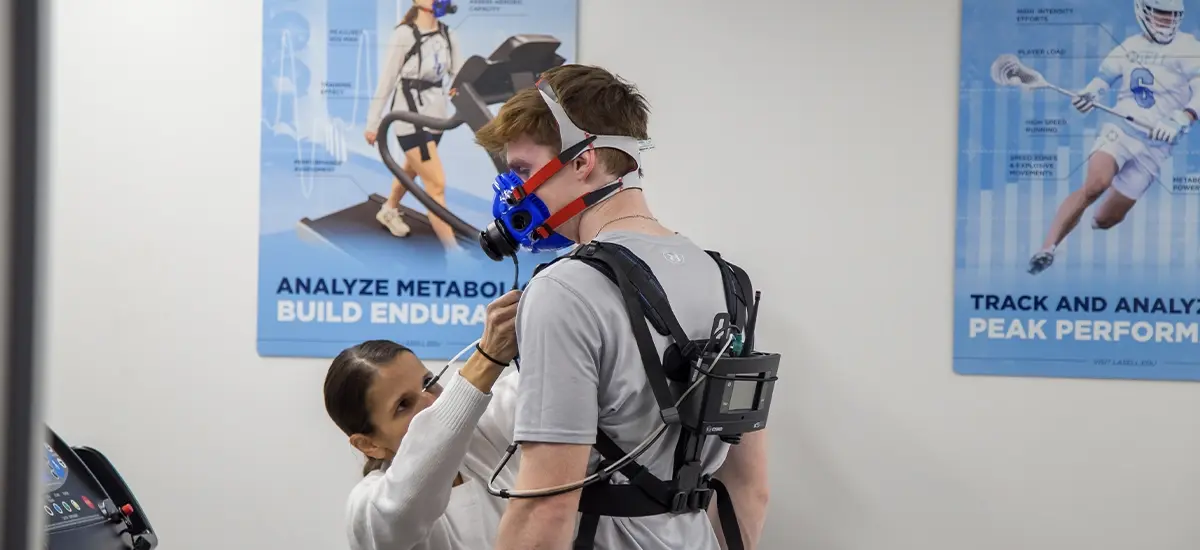
- Clinical and medical laboratories
- Pharmaceutical research
- Public health
- Environmental science
- Laboratory quality assurance
Even if you decide that traditional forensic science isn't the direction you want to take, your degree can still provide a strong foundation for a wide range of science-based careers.
Explore Lasell University's Forensic Science Program
Choosing the right forensic science program is an important step toward your future career. At Lasell, students build a strong foundation in biology, chemistry, and criminal justice while gaining hands-on experience through laboratory courses, mock crime scene investigations, internships, and research. As the only FEPAC-accredited undergraduate forensic science program in Massachusetts, Lasell prepares graduates for careers in forensic laboratories, law enforcement, and graduate study.
See other forensic science blogs