How to Compare Forensic Science Colleges
How to Compare Forensic Science Colleges
If you've started researching forensic science colleges, you've probably noticed they all begin to sound a little alike. Every school talks about hands-on learning, experienced faculty, and career preparation, so it can be difficult to figure out what actually makes one program different from another.
The good news is that you don't have to find the "perfect" school, you just need to find the program that's the best fit for you.
As you compare colleges, try to look beyond the brochures and think about what your experience would actually be like as a student.
How Do I Compare Forensic Science Programs?
One of the easiest ways to compare programs is to imagine yourself there.
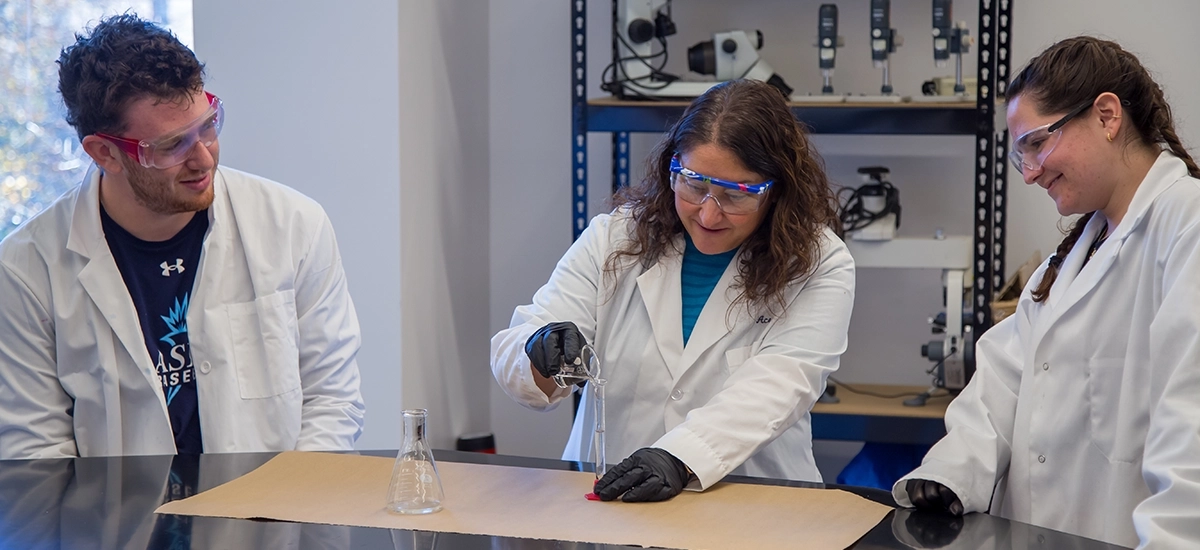
What will your classes look like? How often will you be working in the lab? Will you have opportunities to participate in research or complete an internship before you graduate?
As you're exploring different schools, here are a few things worth paying attention to:
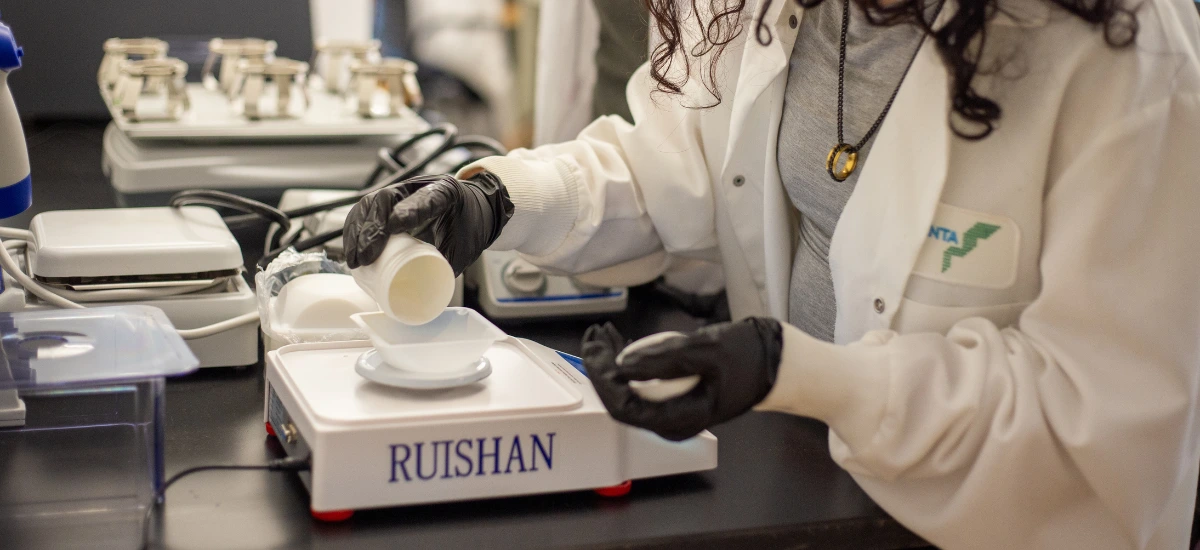
- Hands-on laboratory experience
- Internship and undergraduate research opportunities
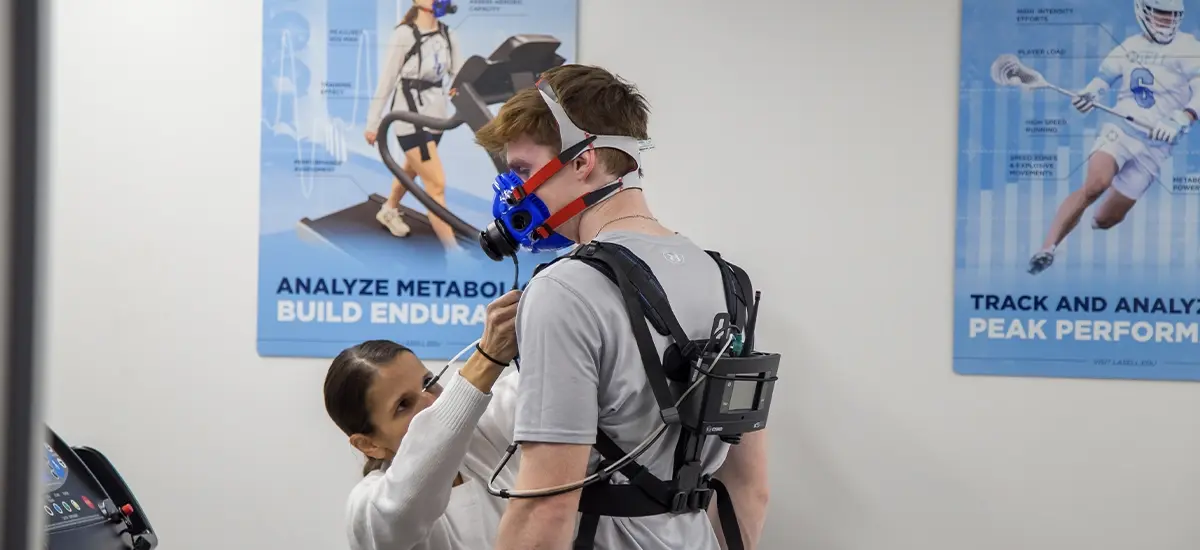
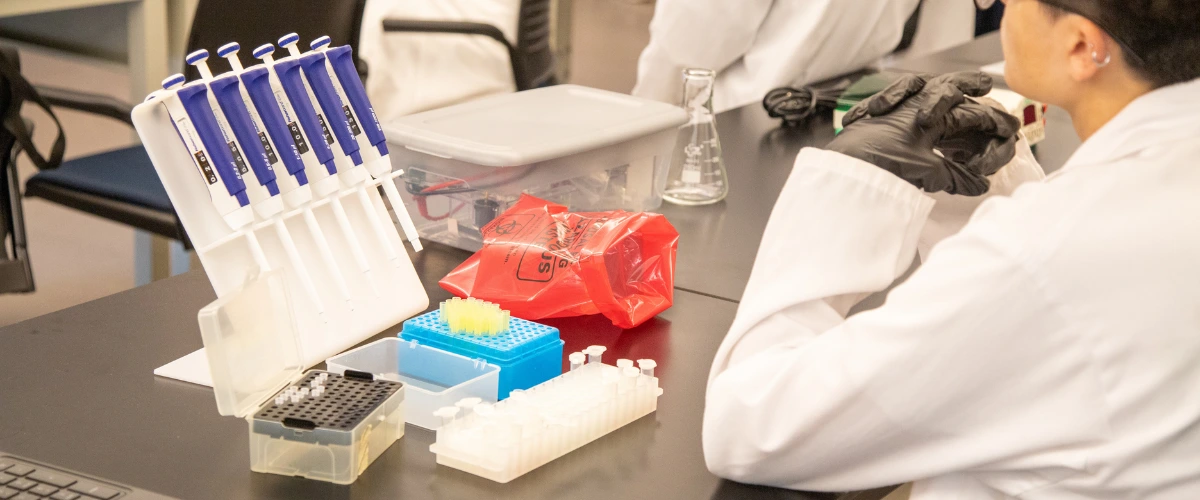
- Access to modern laboratory equipment and technology
- Class sizes and opportunities to work closely with faculty
- Career support and guidance after graduation
These are the experiences that often shape your education just as much as the courses you take.
What Makes One Forensic Science Program Stand Out?
The answer is different for everyone.
Some students are looking for smaller class sizes and the chance to build strong relationships with their professors. Others are excited about undergraduate research, modern lab facilities, or internship opportunities that provide real-world experience before graduation.
Instead of asking which program is "the best," think about which one offers the experiences that matter most to you.
After all, you'll spend the next four years learning there. Finding a program where you feel supported, challenged, and excited to learn is just as important as the curriculum itself.
How Can I Tell if a Program Is Right for Me?
Sometimes the little things tell you just as much as the big ones.
If you have the opportunity to visit campus, spend some time exploring the science facilities. Talk with current students. Ask professors questions about the program and what it's like to study there.
Then ask yourself a few simple questions:
- Can I picture myself learning here?
- Do the classes and lab experiences sound interesting?
- Are there opportunities I'd be excited to be part of?
- Do I feel like I'd be supported by the faculty and campus community?
There isn't one "right" answer to these questions, but they can help you narrow down your options and find a program that feels like the right fit.
Look at the Whole Experience
It's easy to compare colleges based on rankings or course lists, but your college experience is about much more than that.
Think about the opportunities you'll have to learn in the lab, connect with professors, gain internship experience, and prepare for your future career. Those experiences often have the biggest impact on your education and can help you build confidence long before graduation.
Choosing a forensic science college takes time, and that's okay. The more you explore your options and ask thoughtful questions, the easier it becomes to find a program where you'll feel challenged, supported, and ready to take the next step toward a career in forensic science.
Explore Lasell University's Forensic Science Program
Choosing the right forensic science program is an important step toward your future career. At Lasell, students build a strong foundation in biology, chemistry, and criminal justice while gaining hands-on experience through laboratory courses, mock crime scene investigations, internships, and research. As the only FEPAC-accredited undergraduate forensic science program in Massachusetts, Lasell prepares graduates for careers in forensic laboratories, law enforcement, and graduate study.
See Other Forensic Science Blogs