How to Choose the Right Forensic Science Program
How to Choose the Right Forensic Science Program
If you're thinking about majoring in forensic science, you've probably noticed that no two programs look exactly the same. Some emphasize laboratory work, others focus on research, and some offer more opportunities to gain hands-on experience before graduation.
So how do you know which program is the right fit?
The best forensic science program isn't necessarily the one with the biggest name. It's the one that helps you build a strong scientific foundation while giving you opportunities to apply what you learn in real-world settings. As you compare schools, think about the type of college experience you're looking for, the opportunities available outside the classroom, and where you hope your degree will take you after graduation.
What Should I Look for in a Forensic Science Program?
As you compare colleges, try to look beyond the course titles. Think about what your experience will actually be like as a student.
A strong program should offer things like:
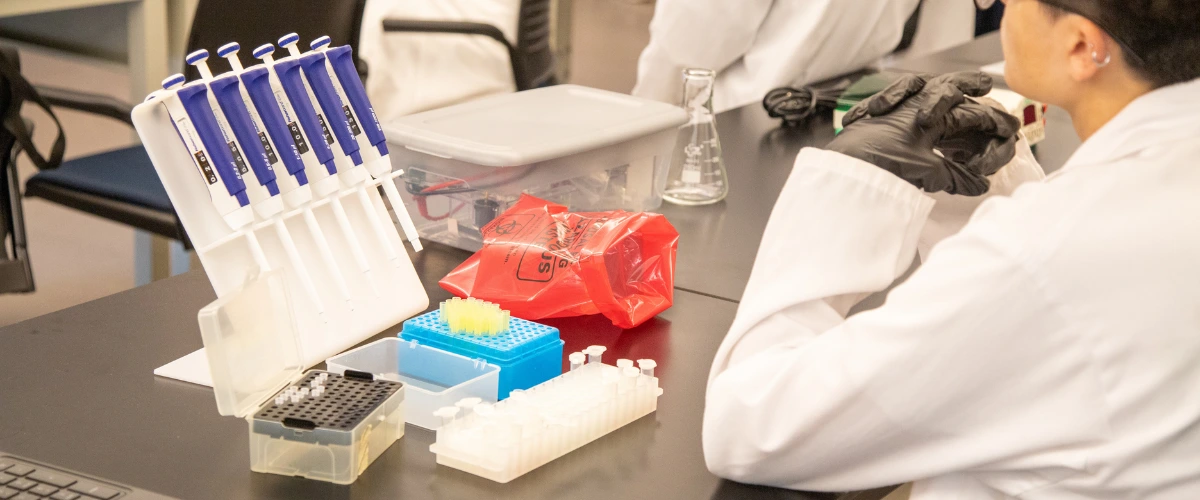
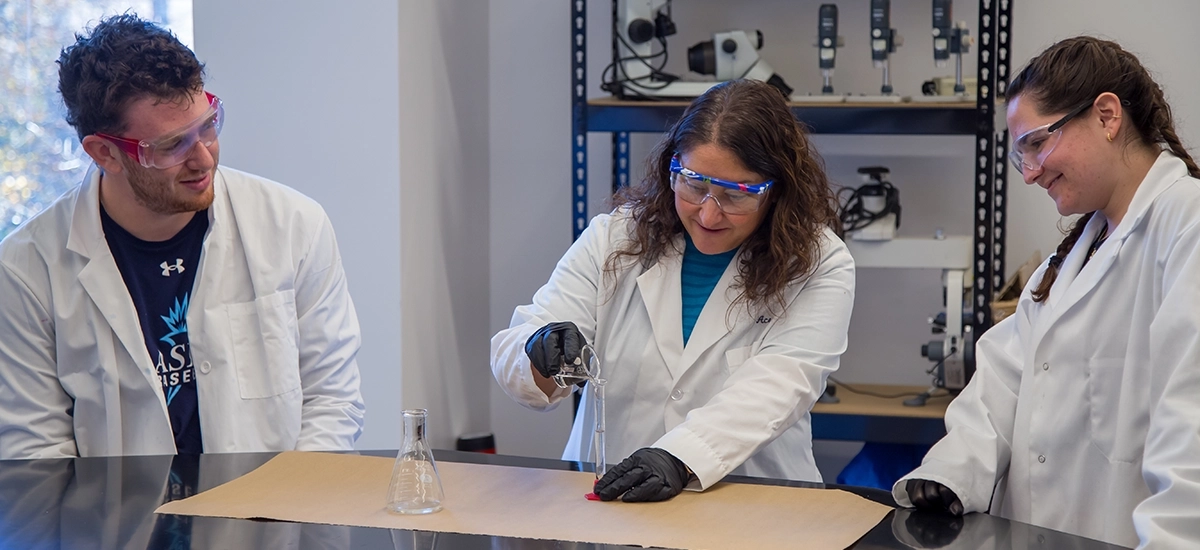
- Hands-on laboratory experience
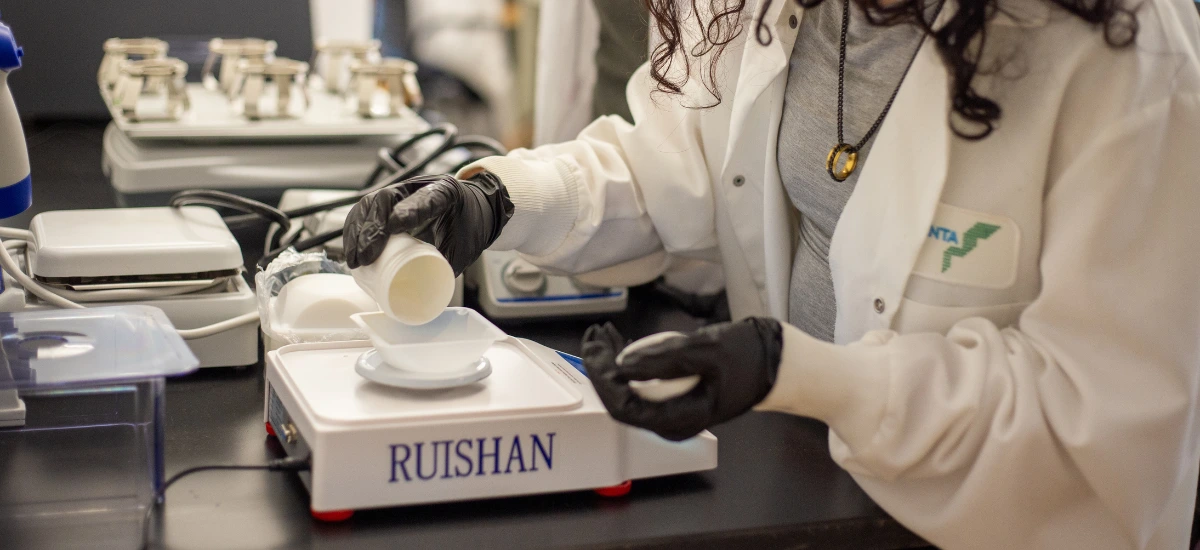
- Modern equipment and lab facilities
- Faculty with professional experience in forensic science
- Research or internship opportunities
- Small class sizes and individualized support
These are the kinds of experiences that help you build confidence and prepare for a career in the field. Internships, in particular, can give you valuable experience while helping you make professional connections before you graduate.
How Do I Know if a Forensic Science Program Is Good?
One of the biggest signs of a strong program is that students aren't just learning science, they're practicing it.
Look for programs that give students plenty of time in the lab, encourage research, and create opportunities to apply classroom concepts through real-world experiences. Strong faculty mentorship and connections with forensic laboratories, criminal justice agencies, or other organizations can also make a meaningful difference.
It can also be helpful to see what graduates are doing after they leave the program. Whether they're working in forensic laboratories, continuing to graduate school, or pursuing careers in related scientific fields, those outcomes can give you a better sense of how the program prepares students for what's next.
Is Accreditation Important for Forensic Science?
Accreditation is definitely something to pay attention to when researching colleges.
An accredited institution has met recognized standards for academic quality, and some forensic science programs also have specialized program accreditation. While accreditation shouldn't be the only factor you consider, it can give you added confidence in the quality of a program.
It's also worth looking at the full picture, including the curriculum, laboratory experiences, internship opportunities, faculty expertise, and career support available to students.
What Makes a Forensic Science Program Stand Out?
The best programs don't just teach forensic science, they give students opportunities to experience it.
Programs often stand out when they offer:
- Extensive hands-on lab work
- Undergraduate research opportunities
- Internship or field experience
- Access to industry-standard forensic equipment
- Faculty who bring real-world experience into the classroom
These experiences help students develop the technical skills, critical thinking, and attention to detail that are essential in forensic science careers.
What Questions Should I Ask Before Applying?
As you're narrowing down your options, don't be afraid to ask questions. A conversation with an admissions counselor, professor, or current student can tell you a lot about whether a program is the right fit.
Some helpful questions to ask include:
- How much time will I spend working in the lab?
- Are internships or research opportunities available?
- What types of careers do graduates pursue?
- What kind of equipment and technology will students use?
- How does the program prepare students for careers after graduation?
The more you learn before applying, the easier it will be to find a forensic science program that matches your interests, learning style, and career goals. Taking the time to ask questions now can help you feel much more confident about where you'll spend the next four years.
Explore Lasell University's Forensic Science Program
Choosing the right forensic science program is an important step toward your future career. At Lasell, students build a strong foundation in biology, chemistry, and criminal justice while gaining hands-on experience through laboratory courses, mock crime scene investigations, internships, and research. As the only FEPAC-accredited undergraduate forensic science program in Massachusetts, Lasell prepares graduates for careers in forensic laboratories, law enforcement, and graduate study.
See Other Forensic Science Blogs