Choosing A Fashion Program: How To Find The Right Fit
How Do I Choose the Right Fashion Program?
Choosing a college is a big decision, and if you know you want to study fashion, you probably have a lot of questions. Which program will give you the experience you need? Will you have opportunities to build a portfolio? How important are internships? When choosing a fashion program, think about how each option aligns with your goals and learning style. Many students also compare online fashion degree programs with on-campus options to find the best fit.
There isn't one fashion program that's right for everyone. The best choice is the one that fits your interests, learning style, and career goals. When choosing a fashion program, consider whether the curriculum supports the skills you need, whether it resembles the best fashion programs for design, and how it compares to online fashion degree programs in flexibility and access.
What Should You Look for in a Fashion Degree Program?
When you're comparing fashion programs, it's easy to focus on things like location, campus life, or the name of the school. Those things matter, but don't forget to look closely at what you'll actually be doing in the program.
Key areas to evaluate include accreditation, curriculum, hands-on experience, internships, facilities, faculty credentials, and outcomes. Accreditation matters because it ensures quality and can affect financial aid and employer recognition. To confirm if a fashion program is accredited, check the college’s website for institutional accreditation, look for recognition by regional or national accrediting bodies, and verify listings on the U.S. Department of Education or Council for Higher Education Accreditation websites. Many of the best fashion programs for design clearly state accreditation on their program pages.
Think about questions like:
- What classes will I take?
- How much hands-on experience will I get?
- Will I have opportunities to work on real projects?
- What facilities and technology will I have access to?
- Can I build a portfolio before I graduate?
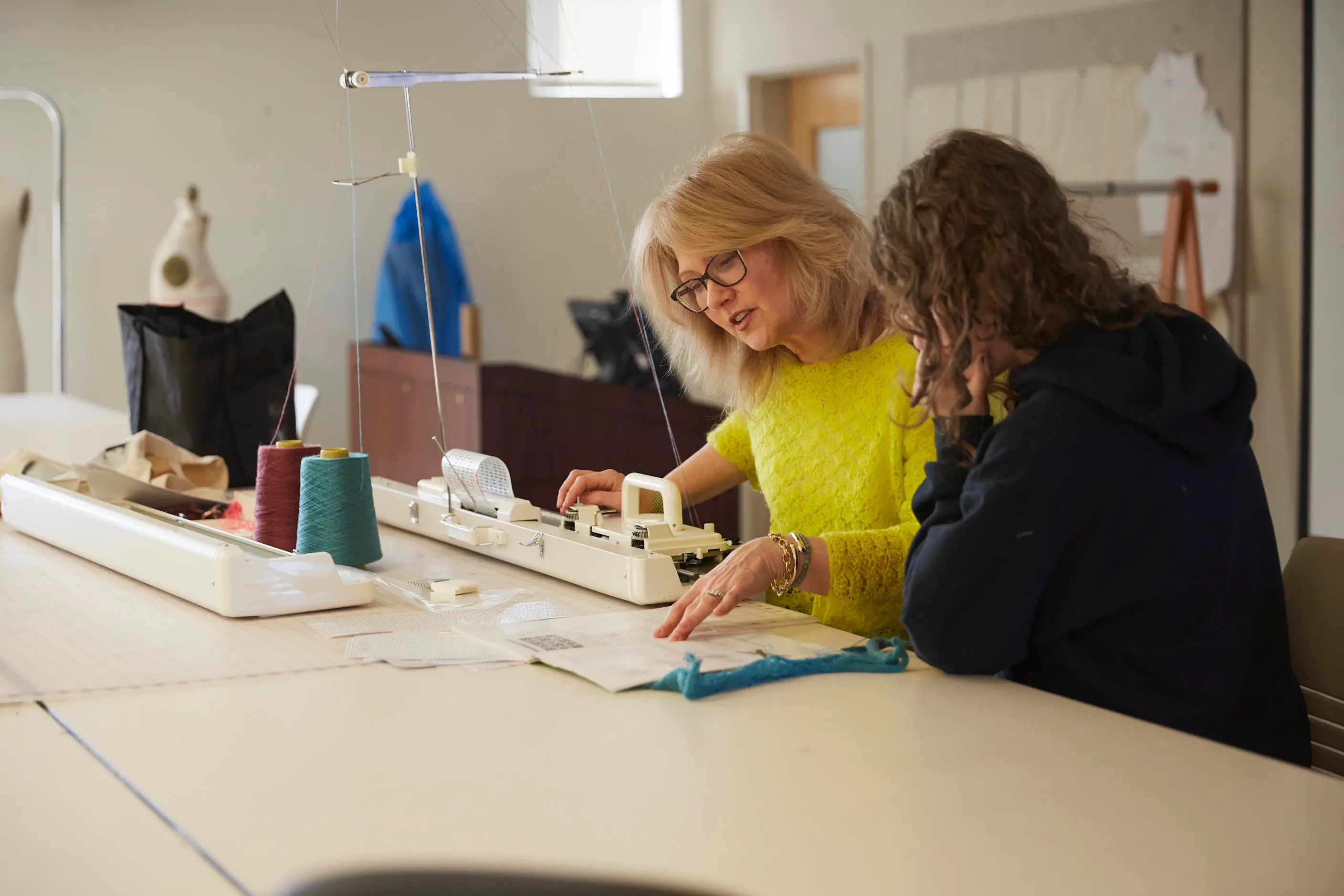
- Will I be able to work closely with professors?
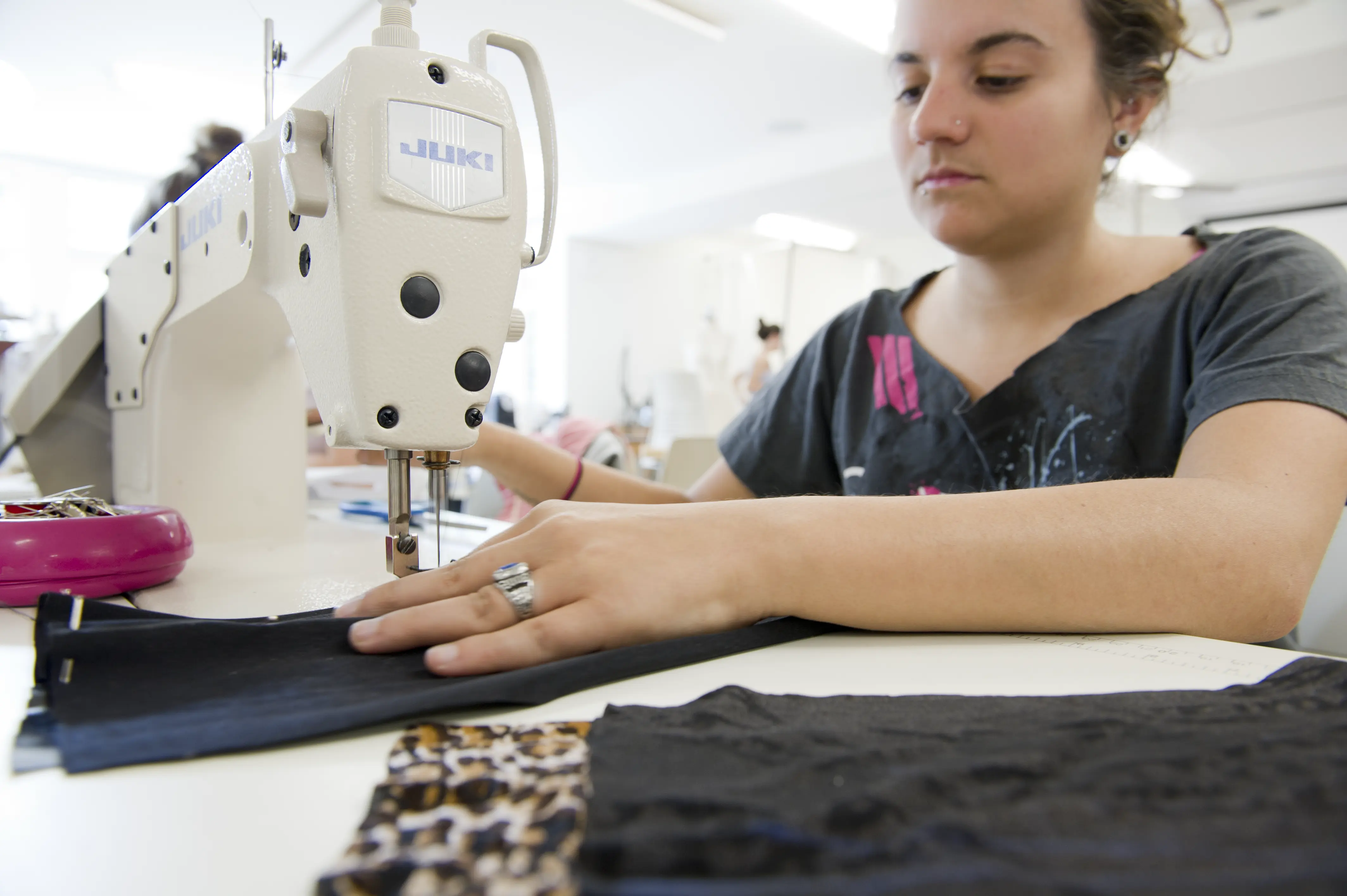
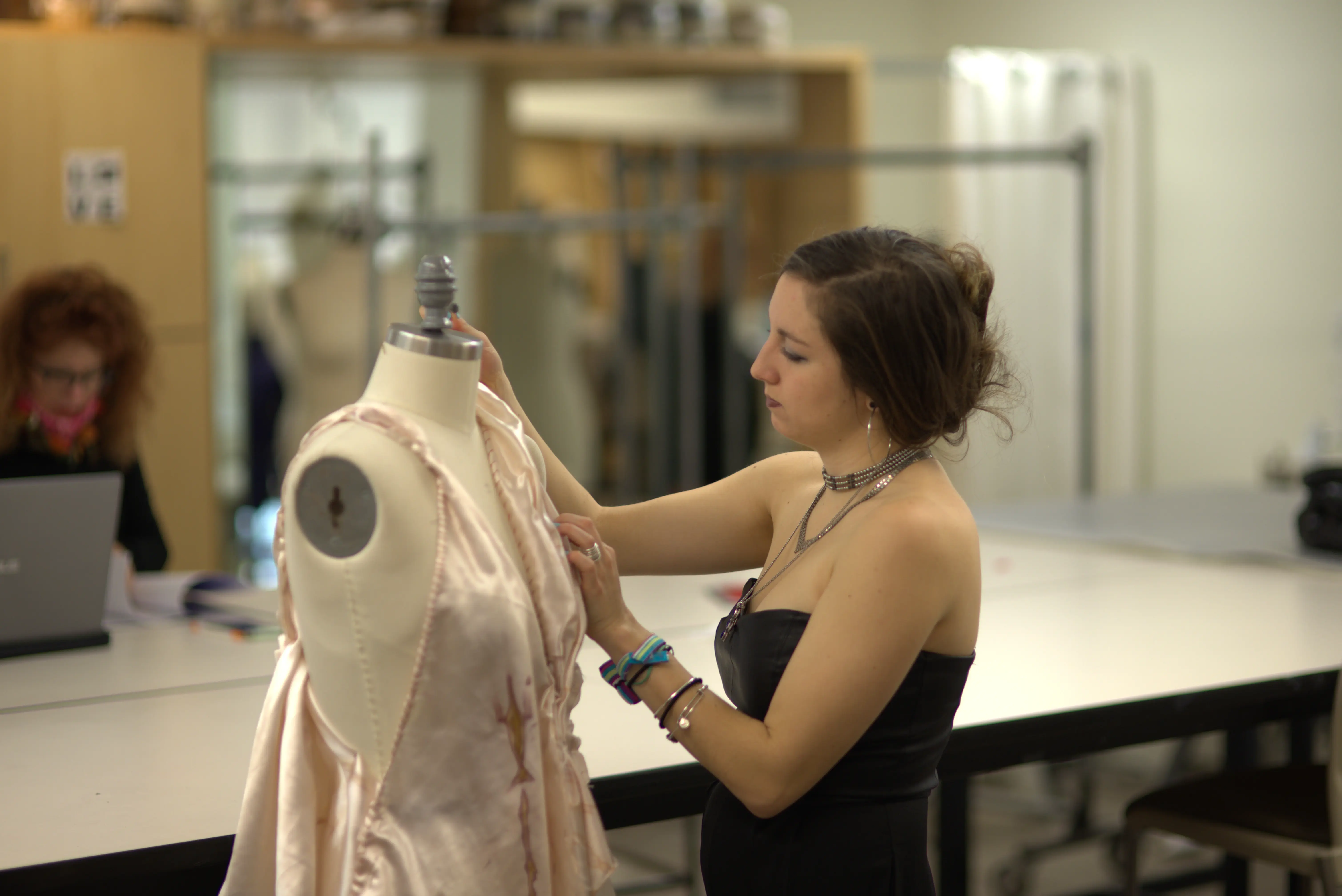
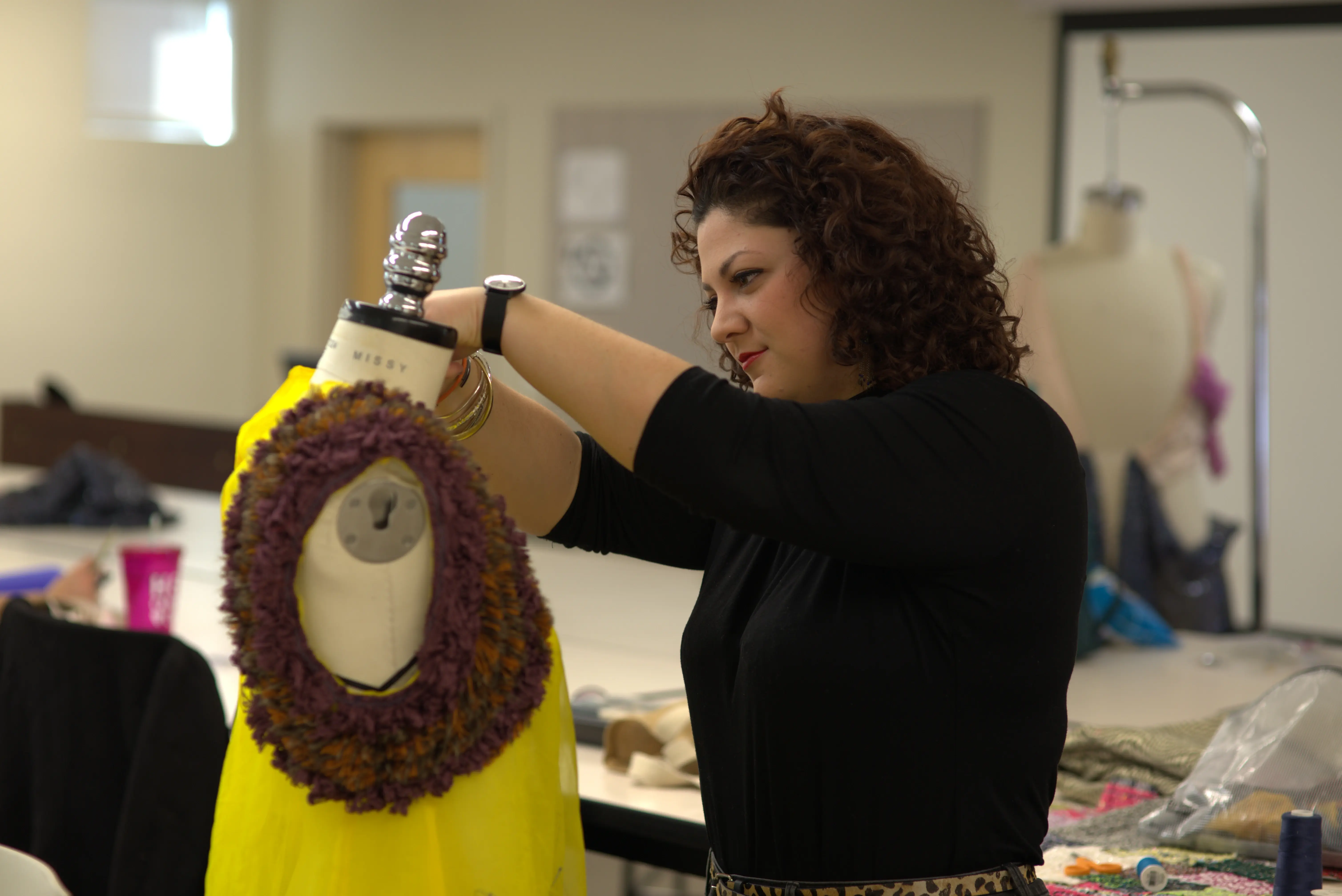
The right program should help you develop skills that you can actually use in the fashion industry. Depending on your interests, that might mean designing garments, analyzing fashion trends, developing marketing campaigns, or learning about retail and merchandising. If you’re comparing fashion design and fashion merchandising programs, design emphasizes sketching, patternmaking, draping, textiles, and product development, while merchandising focuses on buying, assortment planning, retail math, branding, and consumer behavior. The best fashion programs for design will highlight studio time and critiques, while merchandising programs showcase data-driven coursework and retail partnerships.
It's also worth looking at how much flexibility a program gives you to explore different areas of fashion. You may start college thinking you want to focus on one area and discover a completely different part of the industry that you love. When choosing a fashion program, see if double majors, minors, or electives are available, and whether online fashion degree programs offer comparable breadth and access to resources.
Why Are Internships Important for Fashion Students?
There's only so much you can learn in a classroom. Internships give you the chance to see what working in fashion is actually like.
An internship might allow you to work with a fashion brand, retailer, marketing team, design studio, or other organization. You'll get to apply what you've learned in class while gaining experience working with professionals.
Internships can also help you figure out what you don't want to do, which can be just as valuable when you're trying to choose a career.
When researching programs, ask:
- Does the program help students find internships?
- What types of organizations have students interned with?
- Can internships count toward academic credit?
- Are there opportunities to gain experience in different areas of fashion?
The experience you gain can also help you build your resume, expand your professional network, and feel more confident as you start looking for jobs after graduation.
How Do You Compare Fashion Degree Programs?
Once you've narrowed down your options, try to look beyond the college website and really imagine yourself as a student there.
Look at the curriculum, hands-on opportunities, internships, faculty, facilities, and student work. If possible, visit campus, tour the fashion facilities, and talk with current students or professors. Use campus visit tips for fashion students, such as bringing questions about studios and equipment, observing in-progress critiques, and reviewing student portfolios. These campus visit tips for fashion students help you assess day-to-day learning and culture.
You can also ask yourself:
- Does this program offer the area of fashion I'm most interested in?
- Will I get enough hands-on experience?
- Can I build a portfolio or complete real-world projects?
- Are there internship opportunities that interest me?
- Do I feel like I'll get support from my professors?
- Can I see myself being happy and challenged here?
- Should I choose a vocational fashion program or a university degree?
Vocational programs often provide concentrated, skills-first training in areas like patternmaking, technical design, or visual merchandising and can be completed in months to two years. University degrees typically include broader general education, theory, and research along with studio or lab work, and they may offer more extensive alumni networks. Your choice depends on your goals, budget, and timeline when choosing a fashion program. Many online fashion degree programs now blend practical labs with remote coursework, offering flexible paths that rival campus-based options.
Explore Lasell's Undergraduate Fashion Degrees
See other fashion blogs