What Does a Surgical Technologist Do? Daily Responsibilities & Operating Room Role
What Does a Surgical Technologist Do? Daily Responsibilities & OR Role
If you've ever wondered who helps keep an operating room organized and ready for surgery, a surgical technologist is an important part of that team. Understanding what a surgical technologist does can also help you decide if this career fits your goals, how to train for it, and what to expect from a surgical technologist salary.
Surgical technologists, also called surgical techs or operating room techs, work alongside surgeons, nurses, and other healthcare professionals before, during, and after procedures. Their work is hands-on, detail-oriented, and focused on helping surgeries run safely and efficiently.
What Is a Surgical Technologist's Role in the Operating Room?
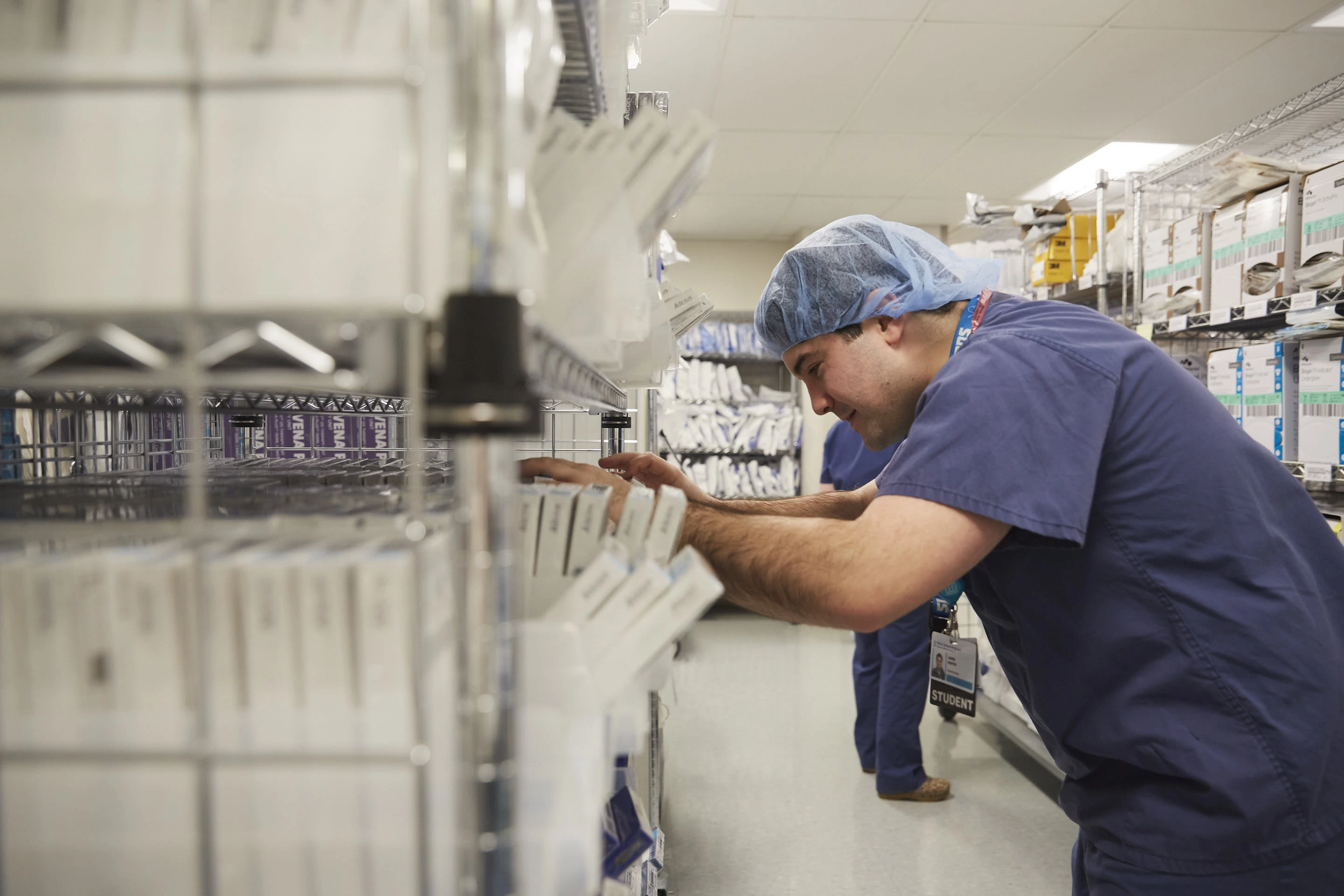
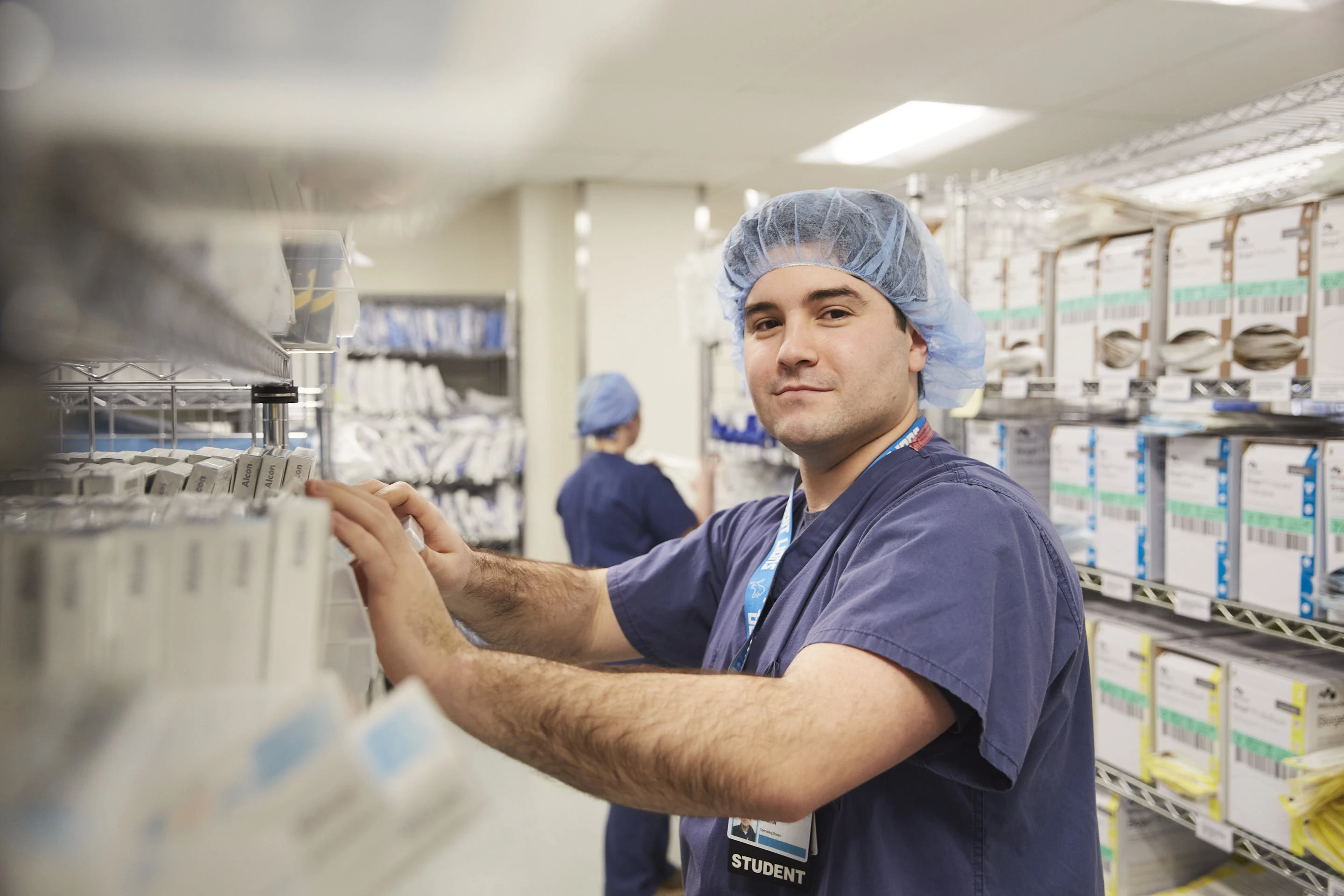
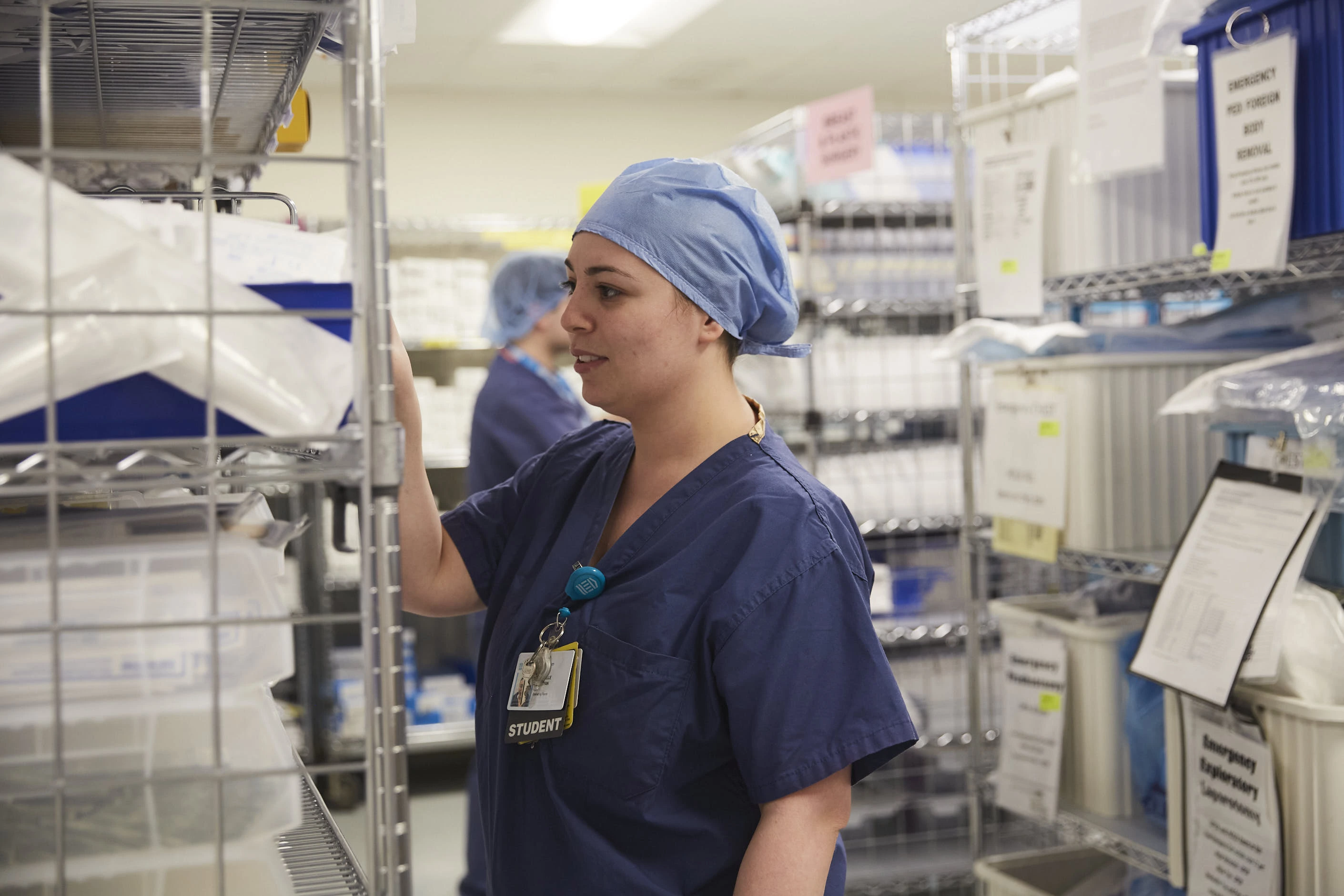
A surgical technologist helps prepare the operating room, surgical instruments, and supplies before a procedure. During surgery, they work closely with the surgical team to make sure the right instruments and supplies are available when they're needed.
Common responsibilities include:
- Preparing the operating room and surgical equipment
- Sterilizing and organizing instruments
- Maintaining a sterile environment
- Passing instruments and supplies to the surgeon
- Anticipating what the surgical team may need
- Counting instruments, sponges, and other supplies
- Helping clean and prepare the OR after a procedure
It's a detail-oriented job that requires organization, focus, and the ability to stay calm in a fast-paced environment.
What Does a Surgical Tech Do Before, During, and After Surgery?
A surgical technologist's work starts well before surgery begins.
Before surgery, the surgical tech prepares the operating room, organizes sterile instruments and supplies, checks equipment, and helps establish the sterile field.
During surgery, the surgical tech passes instruments and supplies to the surgeon, maintains sterile technique, keeps track of instruments, and anticipates what the surgical team may need next.
After surgery, the surgical tech helps complete instrument and supply counts, handles equipment appropriately, and helps prepare the operating room for the next procedure.
Every part of the process matters. Careful preparation and organization help the surgical team stay focused on the patient and procedure.
What Is the Difference Between a Surgical Technologist and an Operating Room Nurse?
The operating room is a team environment, and each professional has a distinct role. A surgical technologist (surgical tech) primarily prepares the OR, maintains the sterile field, organizes instruments and supplies, and assists by passing instruments and anticipating needs. An OR nurse is a registered nurse that has broader training in patient assessment, medication administration, and documentation. While both maintain sterility and assist during procedures, the OR nurse carries additional nursing responsibilities, whereas the surgical technologist focuses on instrumentation and OR flow.
What Is a Typical Day Like for a Surgical Technologist?
There isn't necessarily a "typical" day in the operating room. One day might involve several shorter procedures, while another could include a longer or more complex surgery.
A day might include:
- Reviewing the surgical schedule
- Preparing operating rooms
- Setting up sterile instruments and supplies
- Assisting during procedures
- Completing surgical counts
- Cleaning and restocking the OR
Surgical technologists can also work in different specialties, including general surgery, orthopedics, and obstetrics and gynecology.
How Do You Become a Surgical Technologist and How Long Does Training Take?
Most people become a surgical technologist by completing an accredited surgical technologist program. Many community colleges and career institutes offer surgical tech schools that award a certificate or associate degree. Typical surgical technologist training takes about 9 to 24 months, depending on whether you pursue a certificate or an associate degree. If you’re searching for options, try looking for surgical technologist programs near me or accredited surgical tech schools in your area to compare program length, clinical hours, and certification exam preparation.
After completing a surgical technologist program, graduates often pursue certification (such as CST) to enhance employability and potentially increase a surgical technologist salary. Exploring surgical technologist programs near me can also help you find programs with strong clinical placements.
Is Surgical Technology a Good Career for You?
Surgical technology can be a great option for students interested in a hands-on healthcare career and the fast-paced environment of an operating room. If learning about anatomy and surgical procedures, working with medical equipment, and being part of a team sounds interesting, exploring a surgical technologist program at reputable surgical tech schools is a smart first step.
The role comes with responsibility and offers a competitive surgical technologist salary that varies by region, experience, and certification. Surgical technologists are an essential part of the team helping procedures run safely and smoothly, making this a rewarding path for those ready to train, certify, and contribute on day one as a surgical tech.
Learn more about Lasell's Surgical Technology Program Here
See other Surgical Technology blogs