Is A Surgical Technologist Career Right For You? Job Growth & Salary
Is Surgical Technology a Good Career? Job Growth, Salary, and ROI
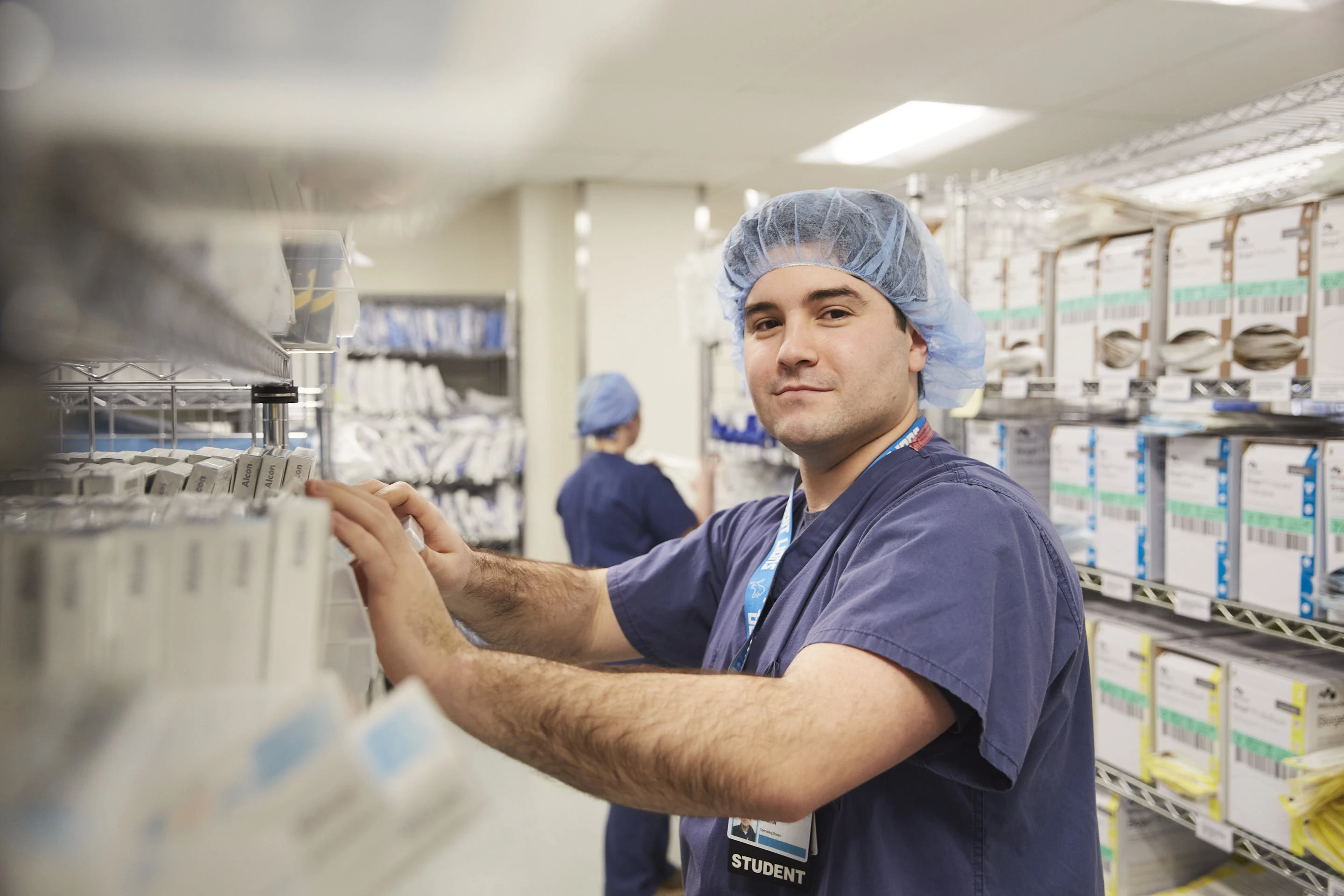
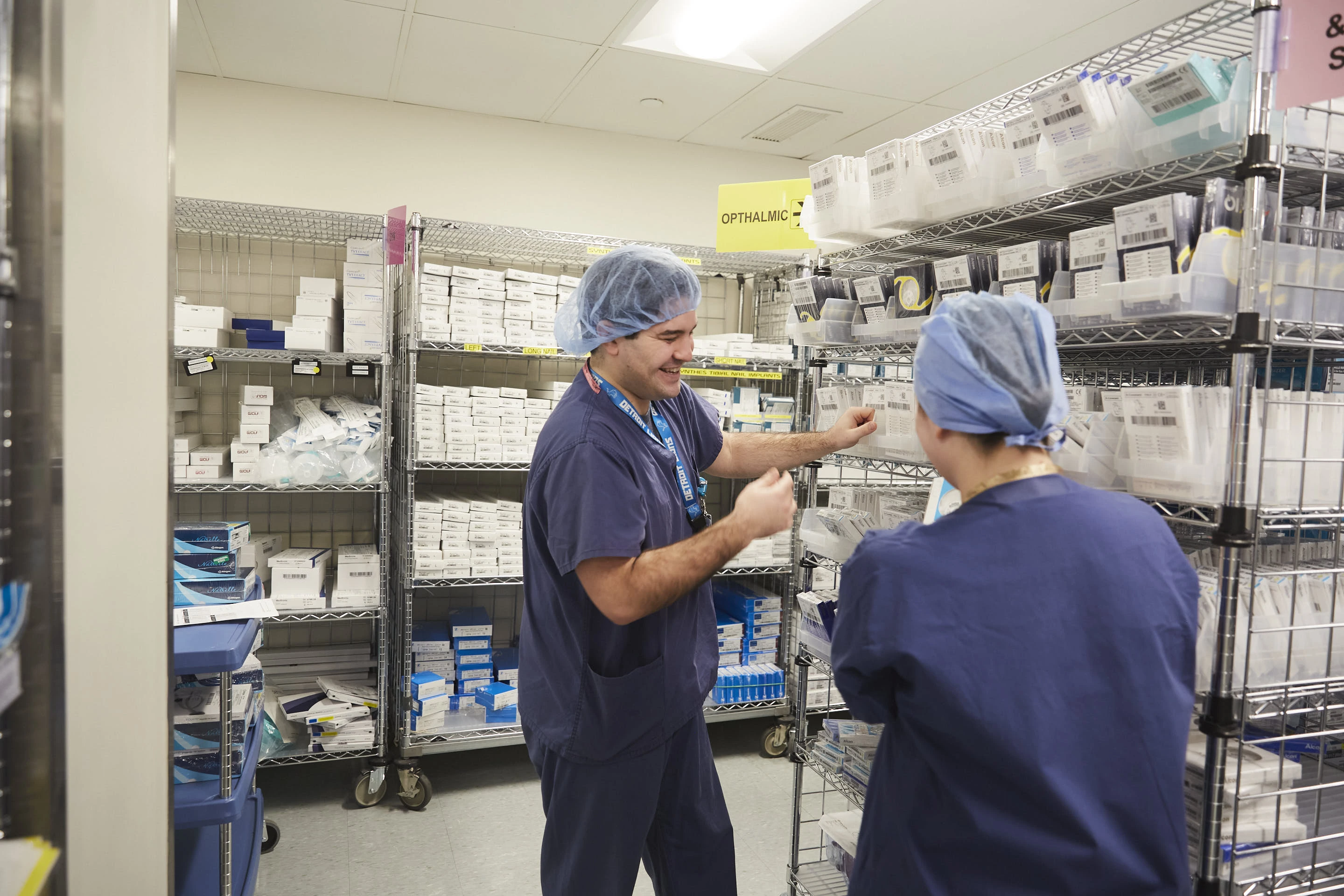
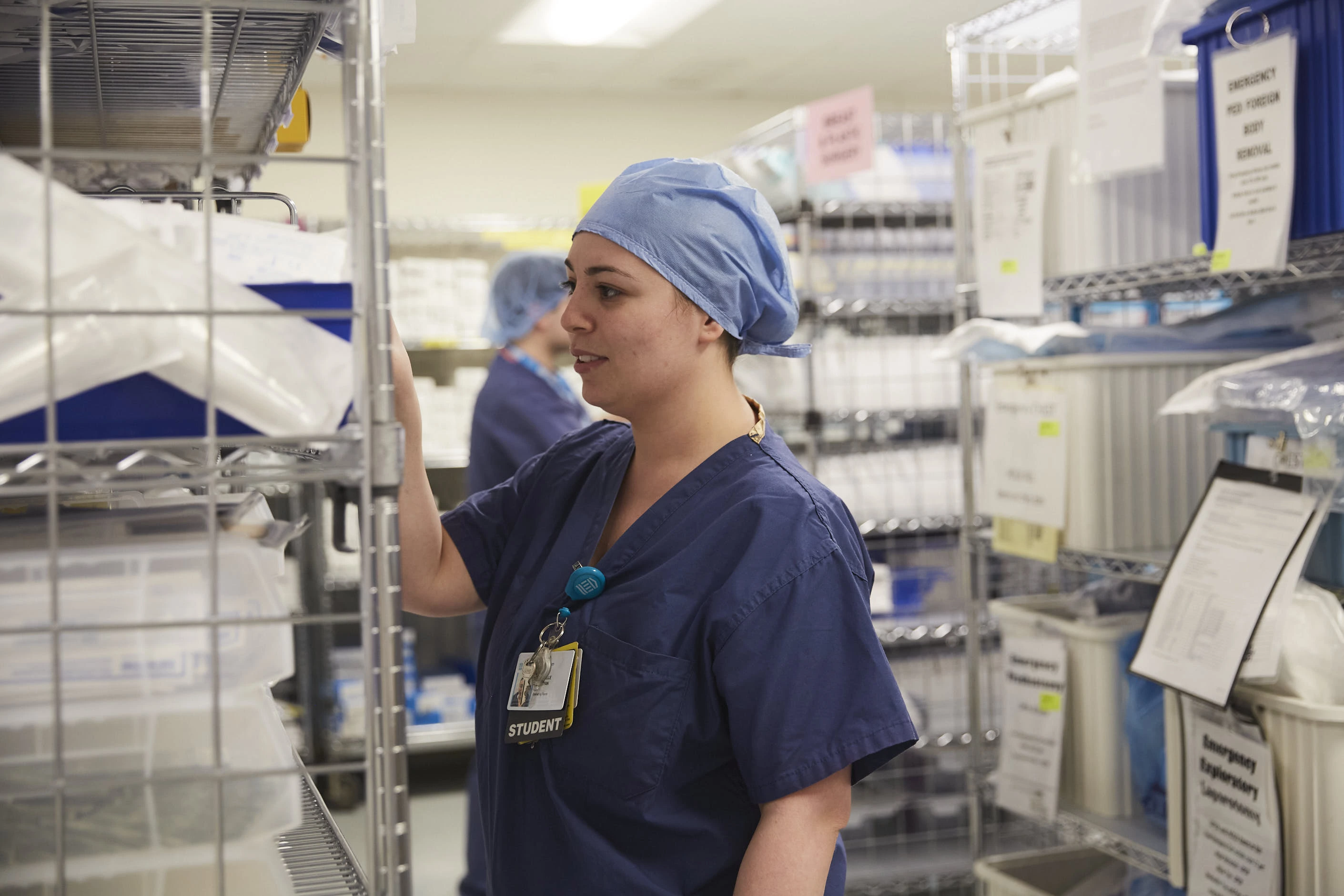
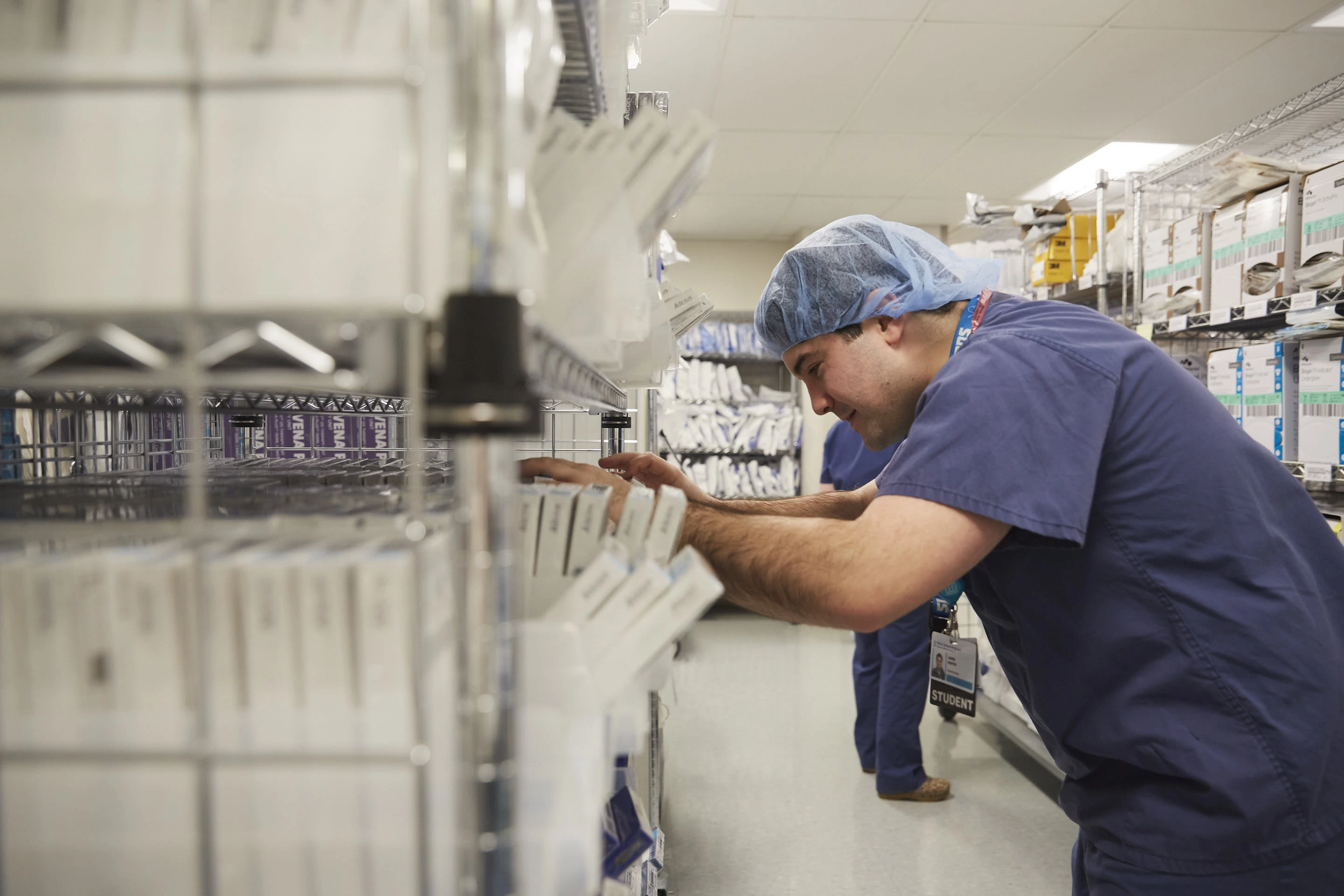
If you're considering a surgical technologist career in healthcare, surgical technology is worth a closer look. Surgical technologists play an important role in the operating room, helping prepare instruments, maintain a sterile environment, and support the surgical team. In the operating room, a surgical technologist sets up sterile fields, counts instruments and supplies, passes instruments to the surgeon, anticipates needs during procedures, handles specimens, and assists with dressings and room turnover to keep surgery safe and efficient.
But is it a good career choice? That depends on what you're looking for. For students who enjoy hands-on work, teamwork, and a fast-paced healthcare environment, a surgical technologist career can be a rewarding path.
What Is the Job Outlook for Surgical Technologists?
Surgical technologists are an important part of today's healthcare teams. As hospitals and surgical centers continue to perform a wide range of procedures, trained surgical technologists are needed to help keep operating rooms running safely and efficiently. If you’re exploring a surgical technologist career, you’ll find opportunities in varied settings and specialties.
The role can also offer opportunities to work in different healthcare settings, including:
Hospitals
Outpatient surgery centers
Specialty surgical centers
Physician offices
Other healthcare facilities
For students interested in healthcare but not necessarily interested in becoming a nurse or physician, surgical technology can offer a more focused path into patient care.
How Much Do Surgical Technologists Make?
Surgical technologist salaries can vary depending on factors such as location, experience, specialty, and work setting. The average surgical technologist salary is often discussed in national reports, but local wages can look very different from national averages. When researching the career, check current surgical technologist salary information for the area where you hope to work and consider shift differentials, call pay, and specialty areas.
Rather than focusing on one salary number, it's helpful to look at the bigger picture. As experience grows, surgical technologists may have opportunities to take on additional responsibilities, work in specialized surgical areas, or pursue further education and certifications.
What Are the Pros of Being a Surgical Technologist?
There are several reasons students choose surgical technology as a healthcare career.
Hands-on work: Surgical techs are actively involved in procedures rather than spending the entire day behind a desk.
Team environment: The operating room requires close communication and teamwork between surgical technologists, nurses, surgeons, and other professionals.
Specialization opportunities: Surgical technologists can gain experience in different areas of surgery and healthcare.
A focused education path: Compared with some healthcare careers that require many years of education, surgical technology can provide a more direct route into the field via accredited surgical technologist schools near me or reputable surgical technologist online programs.
Meaningful work: Surgical technologists play an important role in helping surgical procedures run safely and efficiently.
What Are the Cons of Being a Surgical Technologist?
Like any career, surgical technology has challenges.
The operating room can be stressful, and surgical technologists need to stay focused even when procedures become complicated or priorities change. The job can also involve long periods of standing and working around blood, surgical equipment, and other aspects of the healthcare environment that aren't for everyone.
Schedules can vary as well. Depending on the workplace, surgical technologists may work early mornings, evenings, weekends, or be on call.
It's worth considering these realities before choosing the field. Still, for many, the combination of a clear training timeline, the potential of a competitive surgical technologist salary, and the daily impact on patient care makes a surgical technologist career a strong option.
Learn more about Lasell's Surgical Technology Program Here
See other Surgical Technology blogs